New Friend
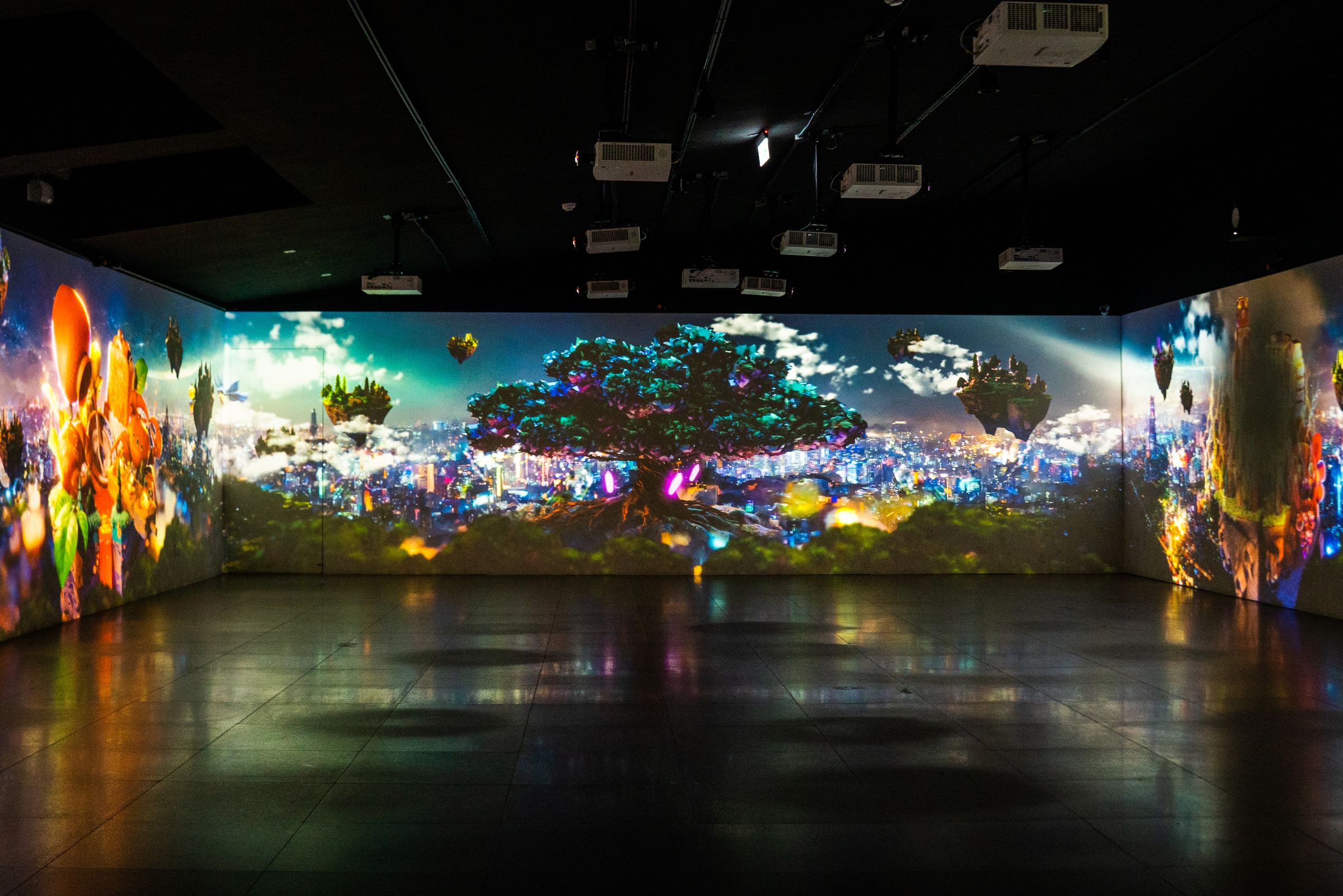
A child picks a creature shell, draws on it, and slides the paper under a scanner. Their drawing becomes the skin of a 3D creature that walks out onto a projected world shared with everyone else in the building.
- Set the visual direction for Zone A
- Key visual
- UI design, visitor and staff
- Motion design
- Interaction flow
- UV and model design decisions
- Developer handoff
- Project management
- Spatial design
- Exhibition construction
- Lighting and hardware
- Software development
- Designers working to my direction
- Development team
- Project manager
- Spatial design team
- On-site operations staff
Restaged by the museum in 2026, from the original build.
A drawing that does not stay on the paper
The brief was ambitious in a specific way: children had to make something, and the thing they made had to matter to the room. A drawing pinned to a wall would not do it. Neither would a screen a child taps once and walks away from.
The constraints were the ones public exhibitions always have, only sharper because the audience was children. Visitors arrive without reading instructions, at any age, in groups, with an adult who may or may not help. And the whole thing had to keep running for six months without a designer in the building.
How can a child's hand-drawn creature become a real participant in a world it shares with strangers?


The visitor journey
Two zones. Zone A is where a creature is made. Zone B is where it lives, across four habitats with a sensing station at each.
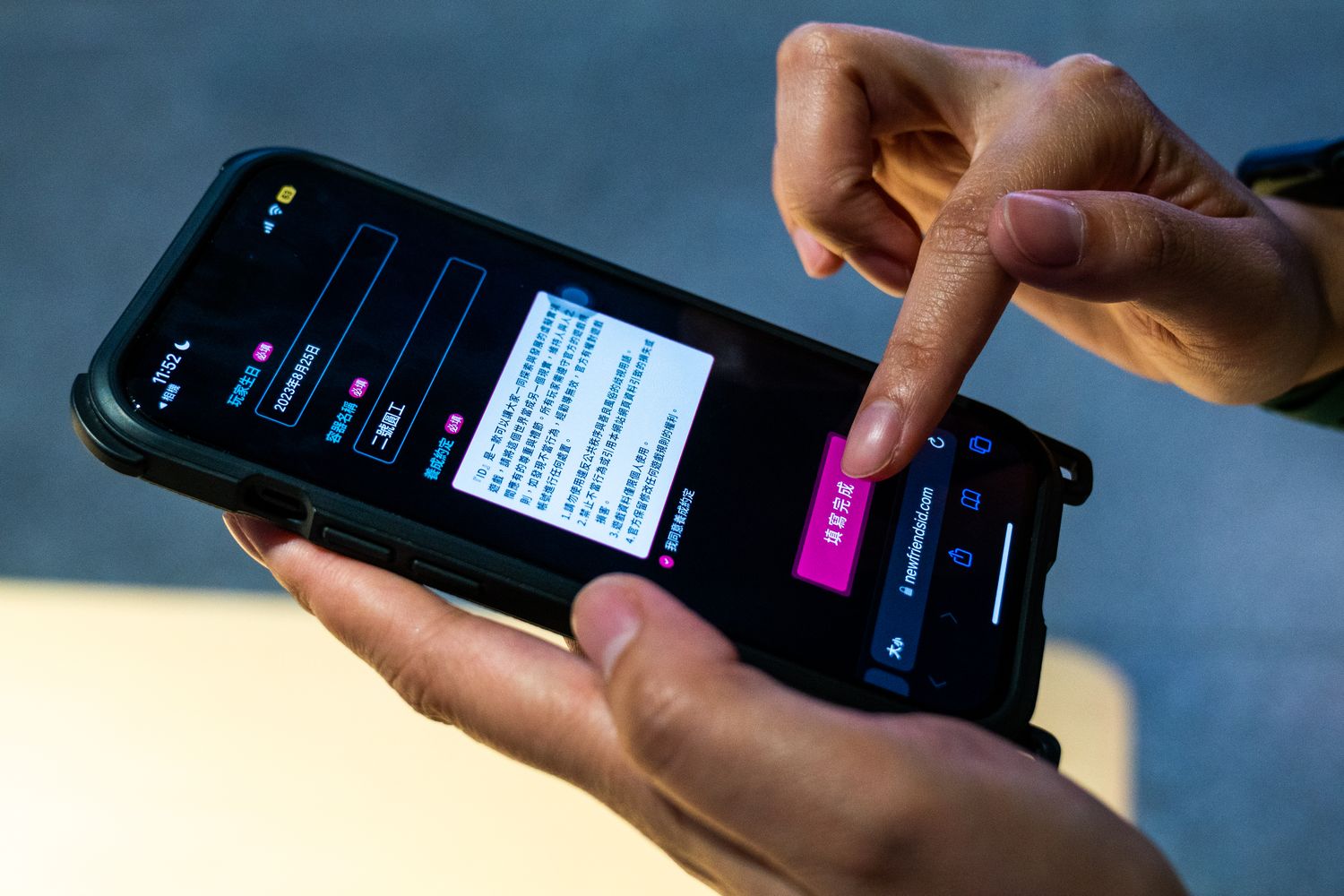
There are two ways in, and both had to ship. A printed QR card is the walk-up path: no phone, no account, just play. Binding the same code to a phone opens the fuller game, the creature-raising interface and the interaction with the large screens. The card is not a fallback for the phone and the phone is not an upgrade on the card. They serve two genuinely different visitors, and cutting either one would have cut a whole audience.
The sign-up form asks for a name and a birth date, and none of it has to be true. It is not a database of children; the only job that matters is binding a phone to a creature so the visitor can get back to it. Treating the form as ceremony rather than as data collection is what let us keep it to a few taps for an audience largely made up of children.
- RegisterCard, or bind it to your phone
- Take a sheetYou do not get to pick
- Draw on itFree hand, no rules
- Slide it under the scannerCorner codes do the rest
- Find out what you gotThe sheet decides the creature
- The drawing becomes skinWritten onto the model's UV map
- Tour four habitatsScan in, earn experience
- Raise it, or fight with itOn your phone, or the big screen


You don't choose your creature. The paper does.
Sheets are handed out at random. A visitor does not pick a creature from a menu; they pick up a piece of paper, draw on it, and only find out what they have made when the scanner reads it. If they don't like what they got, they can take another sheet and go again.
That works because each sheet has a QR code printed in every corner, and those four codes do three jobs at once. They tell the scanner where the paper is, so a sheet shoved in at an angle by a six-year-old still reads correctly. They tell the system which creature this particular sheet is. And they mark the crop boundary, so the drawing inside them can be lifted out and written onto the 3D model's UV map as a texture.
No computer vision, no alignment step, no instruction beyond put the paper down. The registration marks, the identity, and the surprise are all the same four squares of ink.
Twenty thousand random draws later, the four elements came out within 2.4% of each other.
Across the full run the sheets produced 5,251 fire, 5,247 earth, 5,227 air and 5,130 water creatures. Nobody balanced that by hand; it is what happens when the randomness is genuinely random and the sample gets big enough. It is also the cleanest proof I have that the mechanic worked as designed.
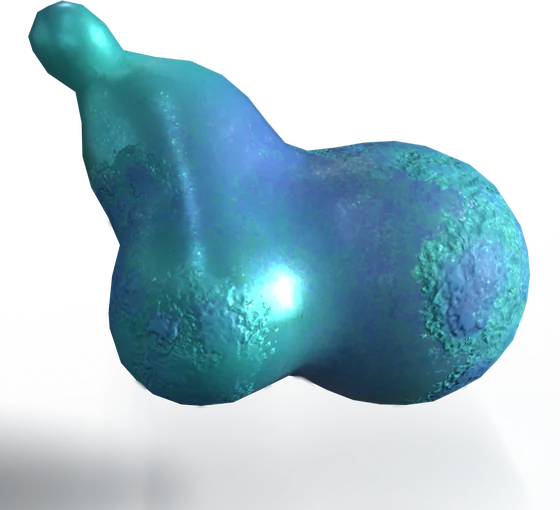
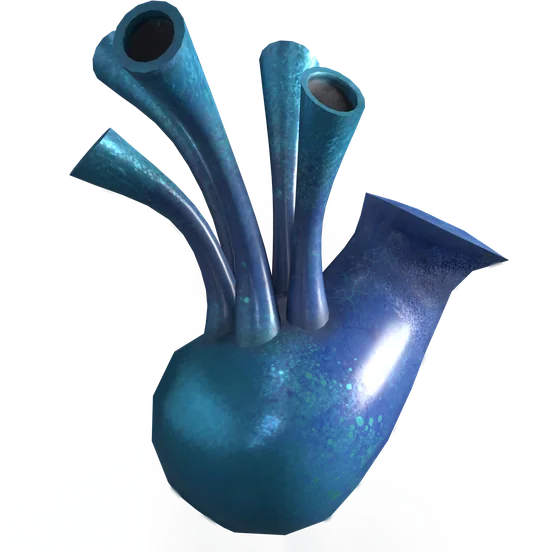
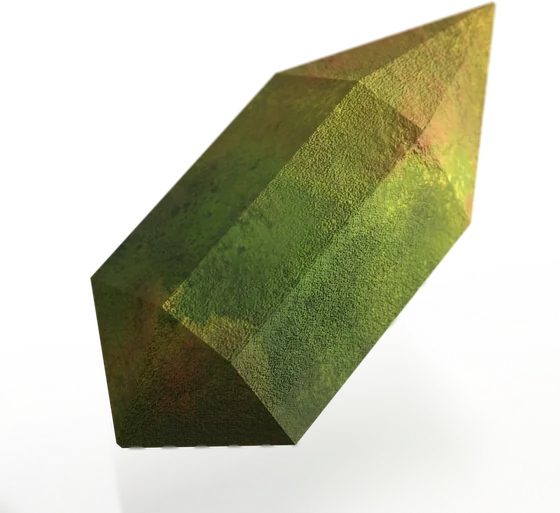
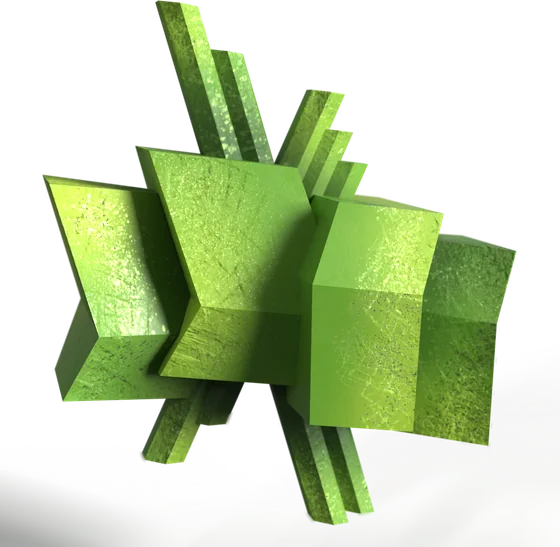
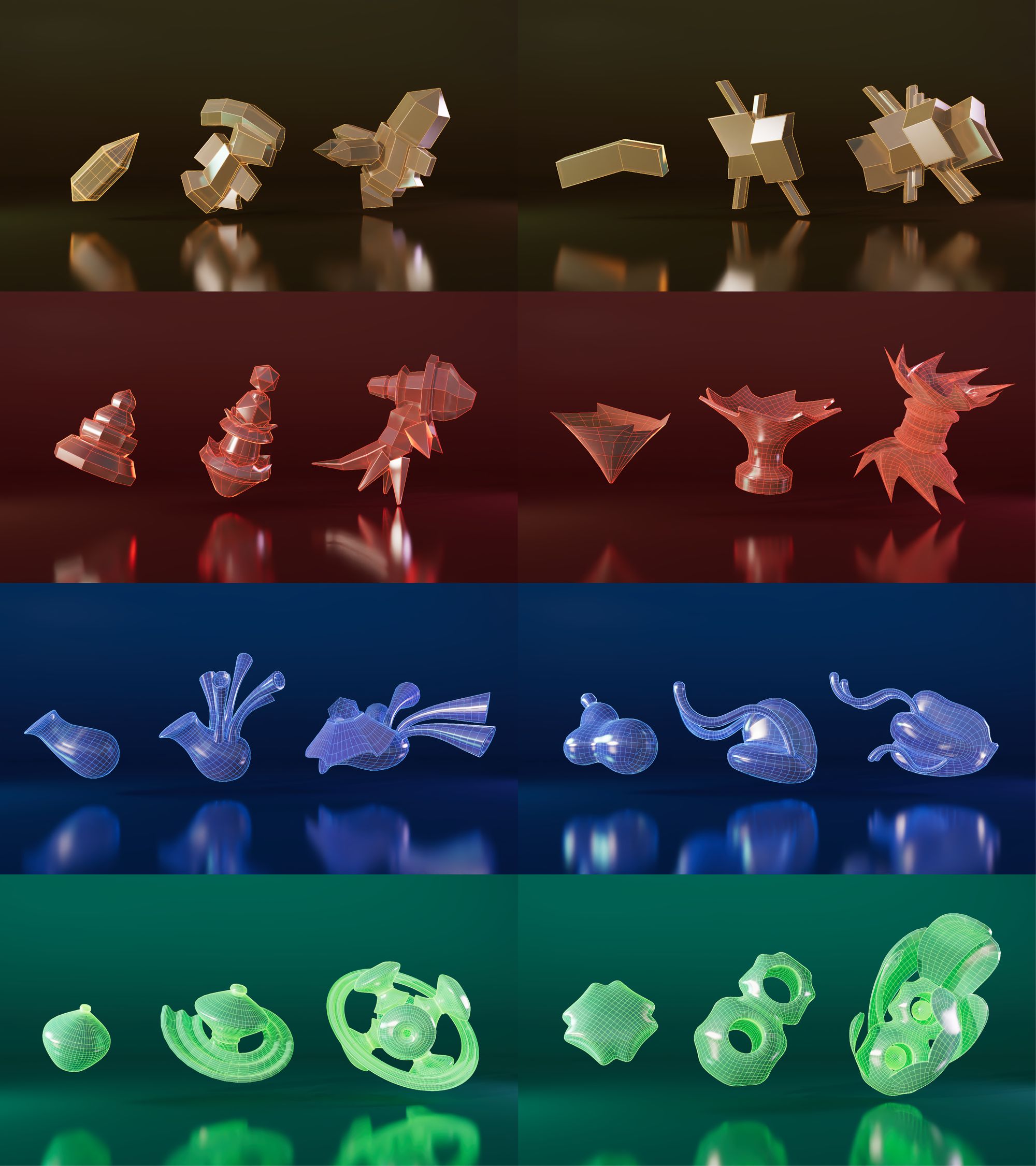
Four of the eight shells. Each one has to accept any drawing as a texture and still read as a creature: the geometry has to survive a scribble.
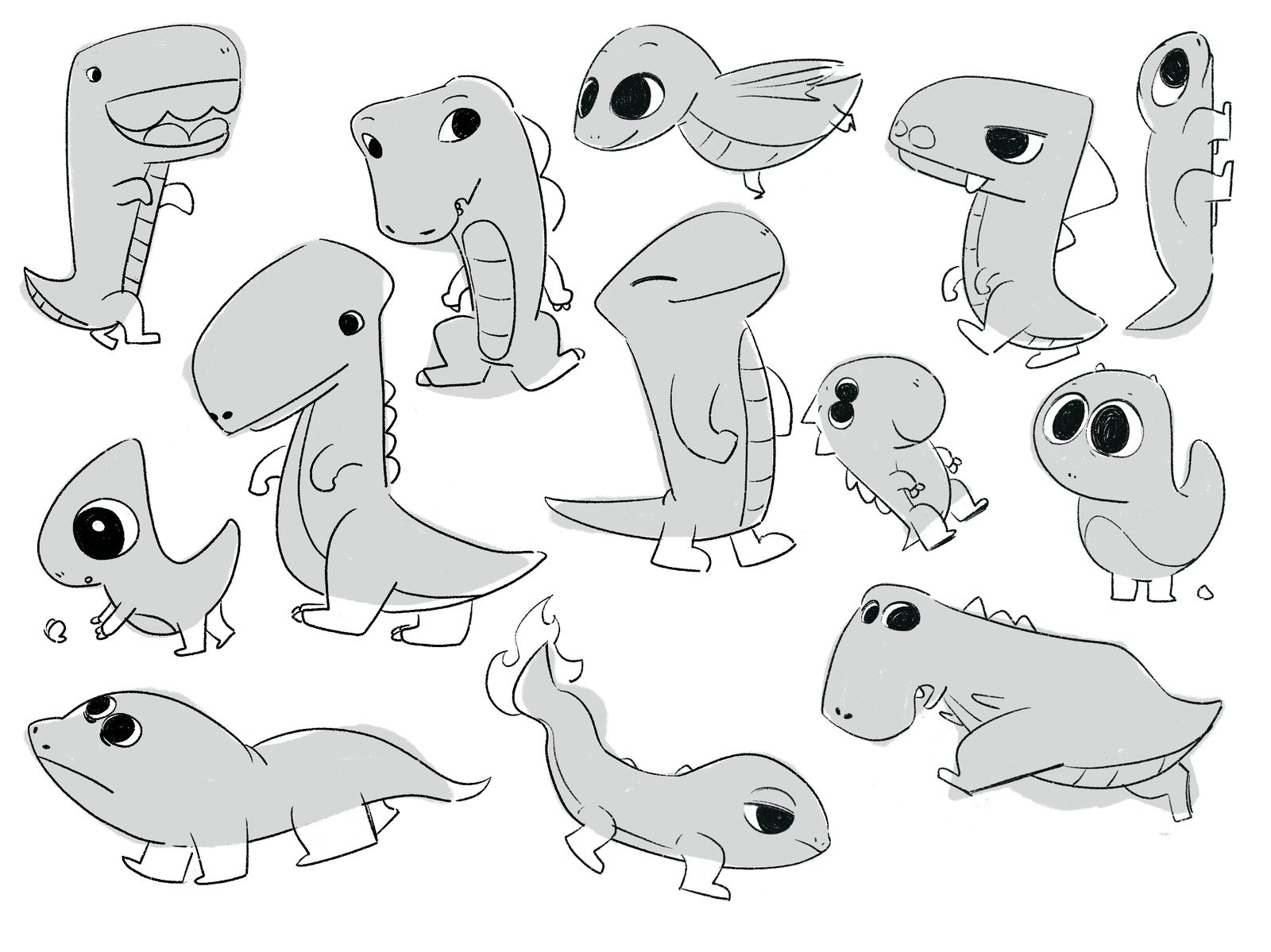
The shells did not start out looking like this. The first round of character design was straightforwardly biological: animals, with animal proportions. Partway through, the client raised something better rooted than that. The museum sits in Yingge, Taiwan's ceramics town, and the creatures could come out of that instead of out of nowhere.
So we went back through a great deal of local ceramic work as reference and pulled the forms toward vessel silhouettes. What shipped is considerably more abstract than what we began with, and it is genuinely of its place rather than generically cute.
Which parts of the creature belong to the child
The obvious version of this project hands the visitor the whole creature. That version does not survive contact with twenty thousand children.
Drawings are unpredictable. Some are careful, some are three scribbles, some are one colour filled edge to edge. If the entire surface of the model takes visitor texture, a real share of the creatures come out unreadable, and worse, the elemental attributes stop being visible, which quietly breaks the game running underneath.
So the UV map is split. I decided which regions of each model take the scanned drawing and which stay authored. The visitor's illustration goes where expression lives. The regions that carry identity, the attribute markers and the forms that define the silhouette, stay designed.
That partition is the quality floor. Every one of the 20,855 creatures is genuinely the visitor's work, and none of them can come out broken. The frame printed on the drawing sheet does the same job one step earlier: it tells a child where to draw without telling them what to draw.
Give away the part that carries feeling. Keep the part that carries identity.
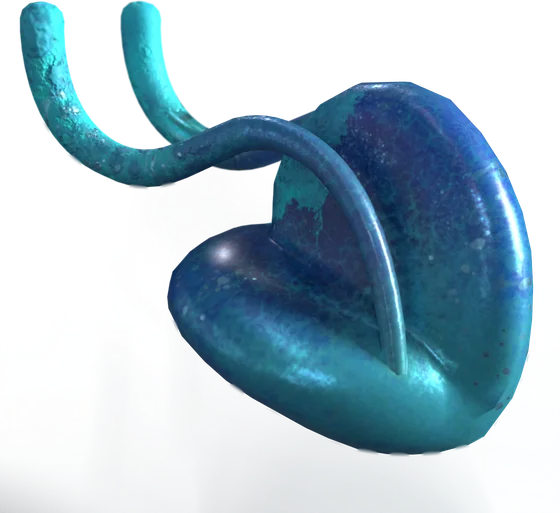
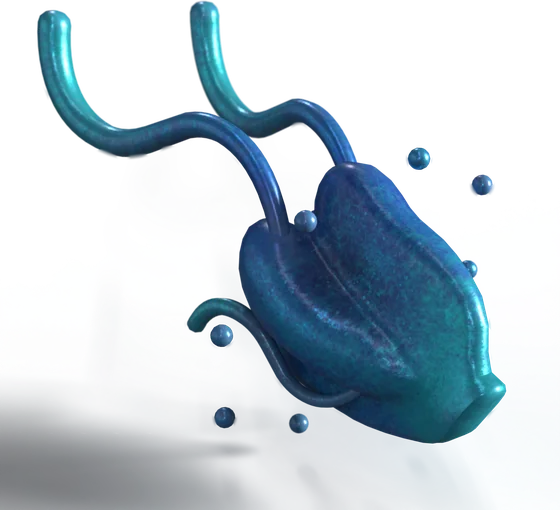
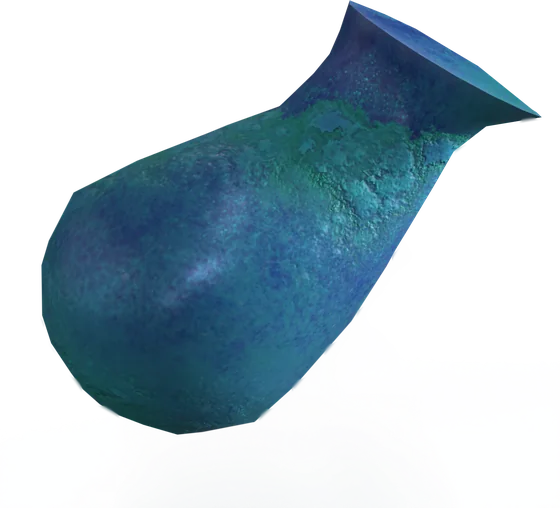
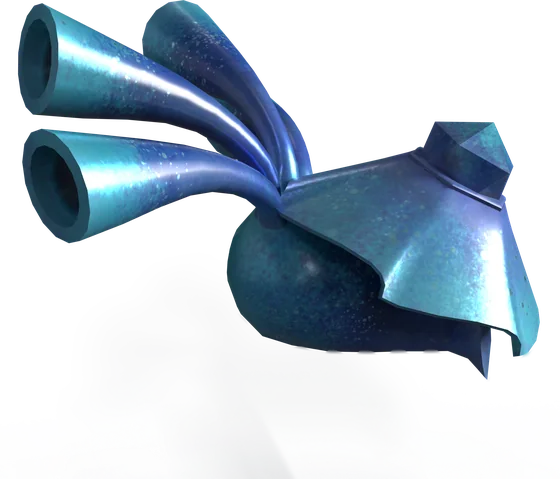
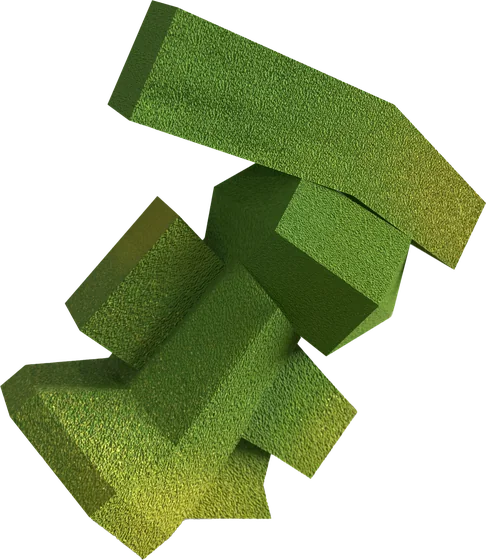
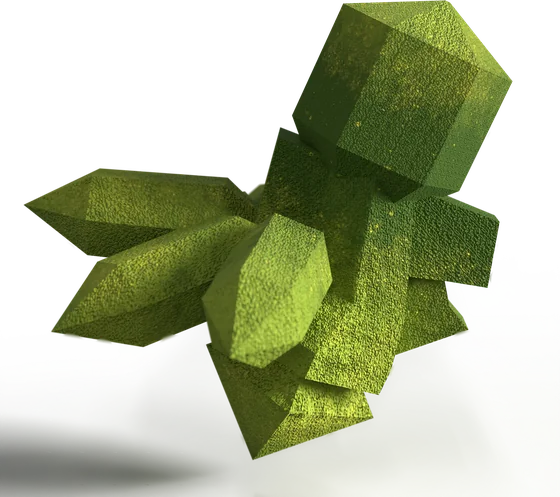
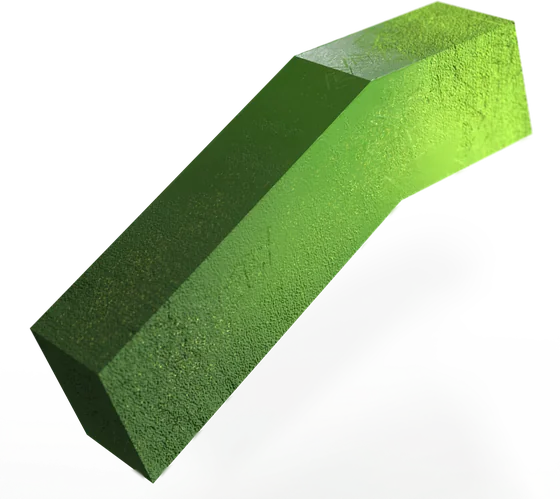
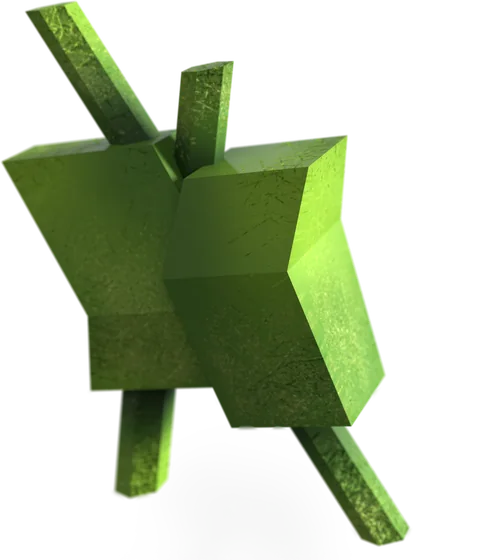
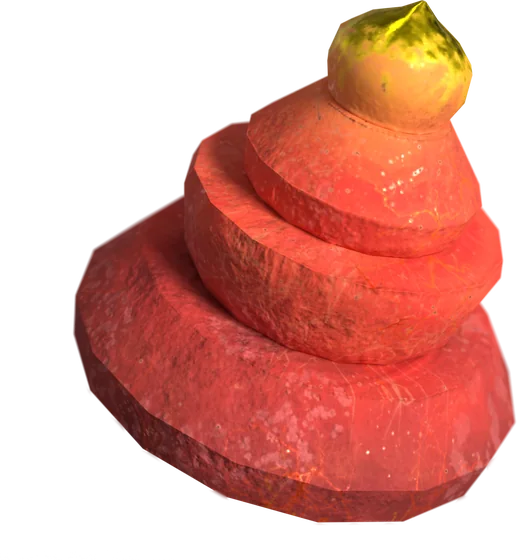
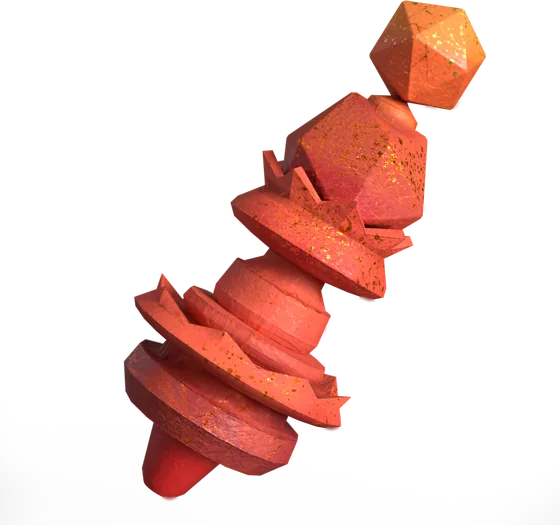
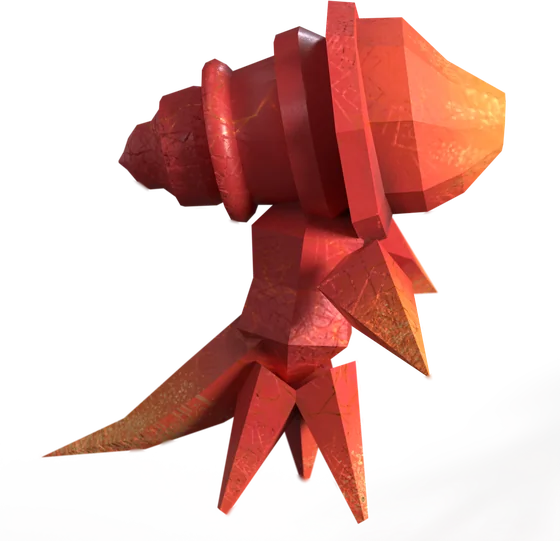
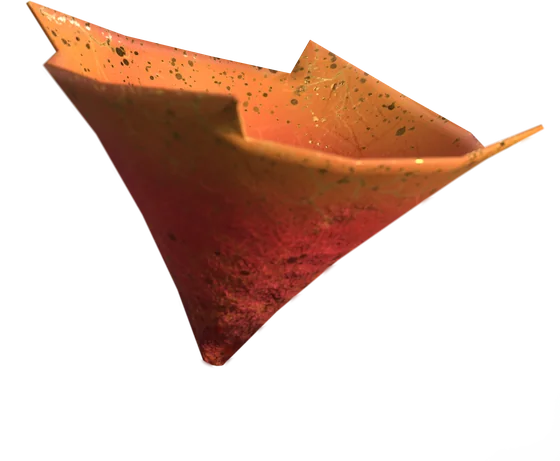
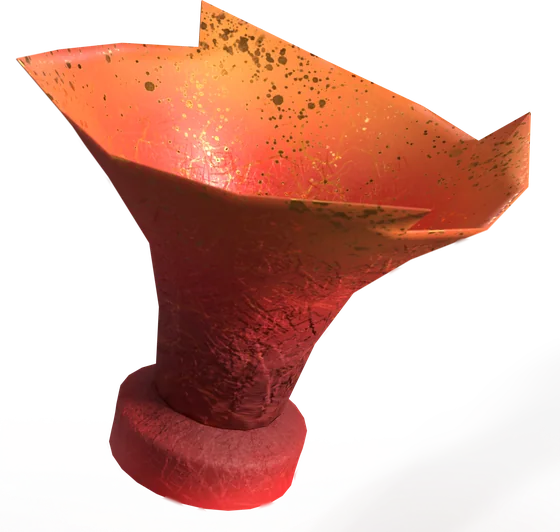
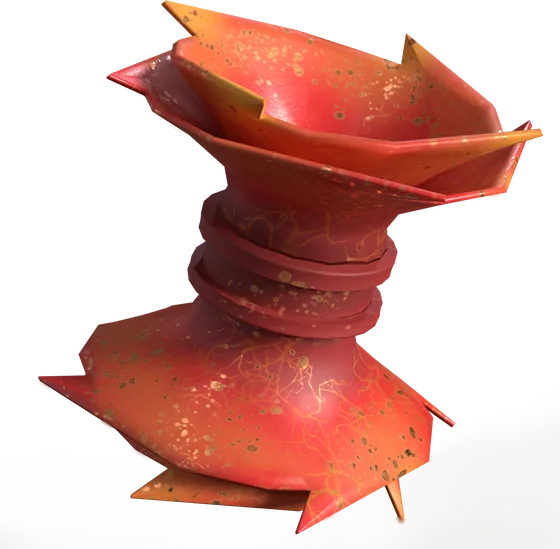
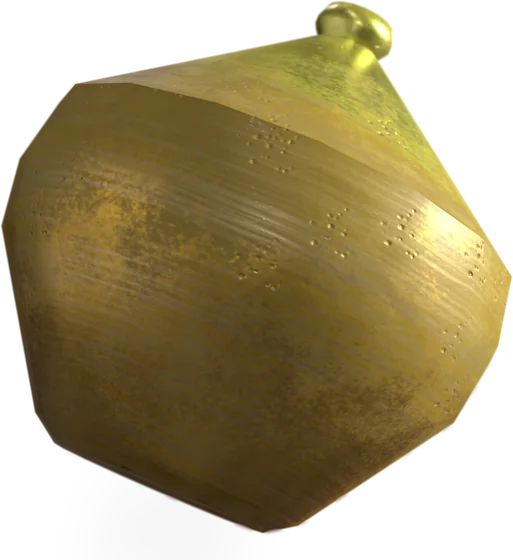
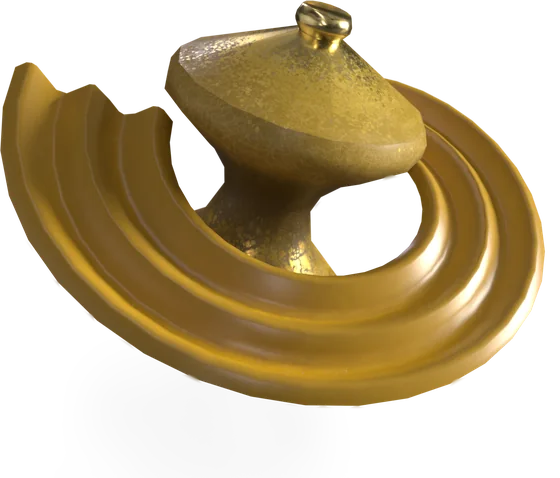
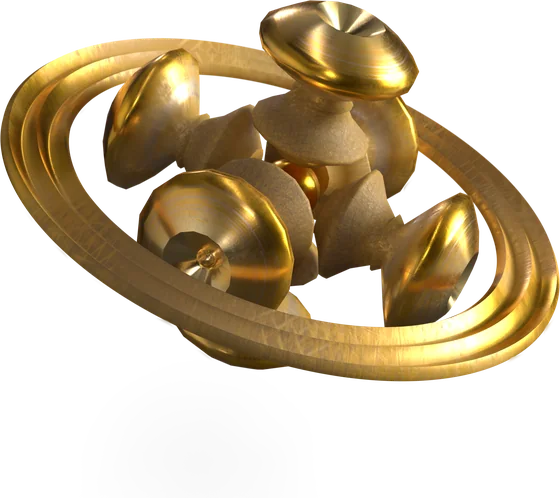
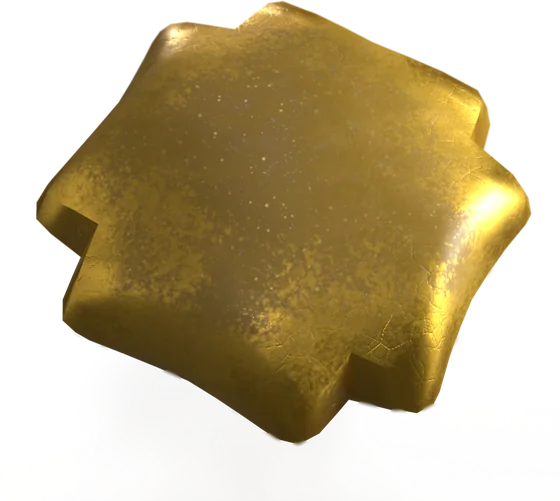
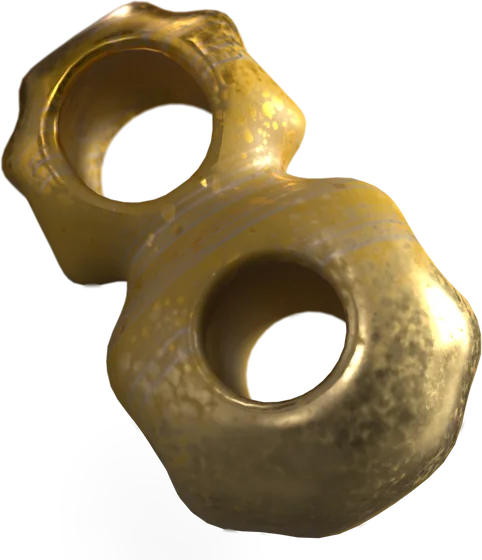
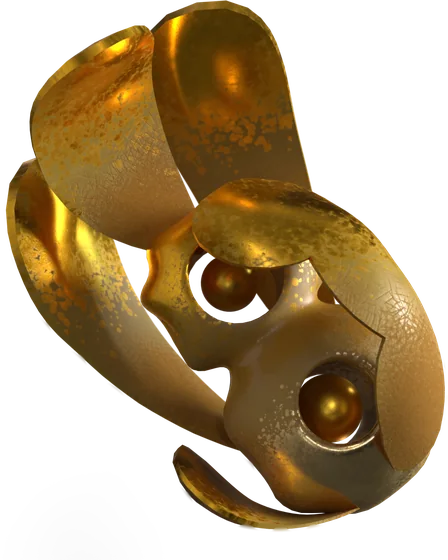
The full set of shells and their variants. Four elements, two body families each, three variations apiece: the twenty-four starting points that twenty thousand drawings were painted onto.
Getting there was iterative and unglamorous: adjusting UV layouts and model geometry, pushing test drawings through to see what survived, and working out how equipment and badges could sit on a body whose skin is different every single time.
Four habitats, one world
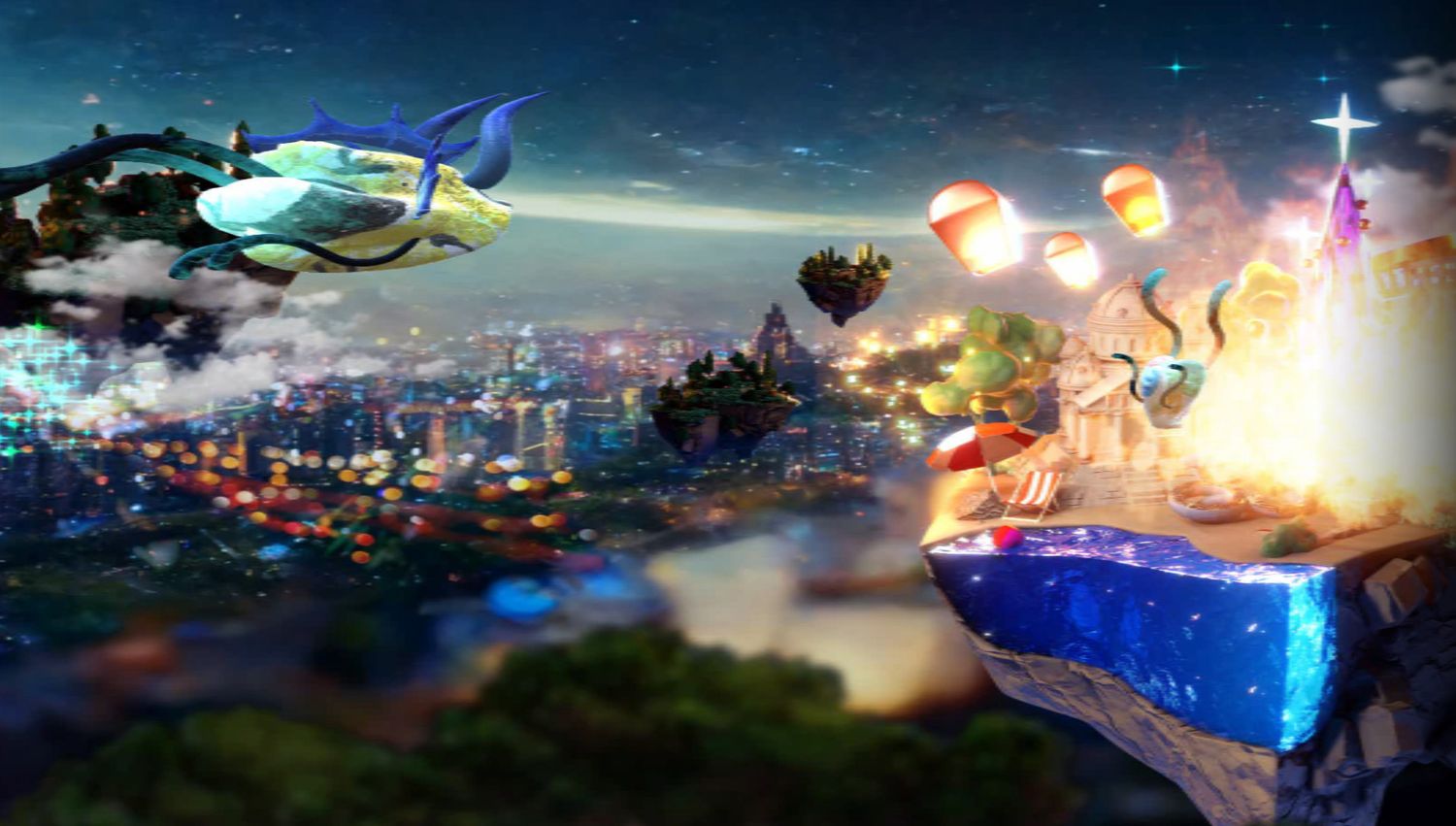
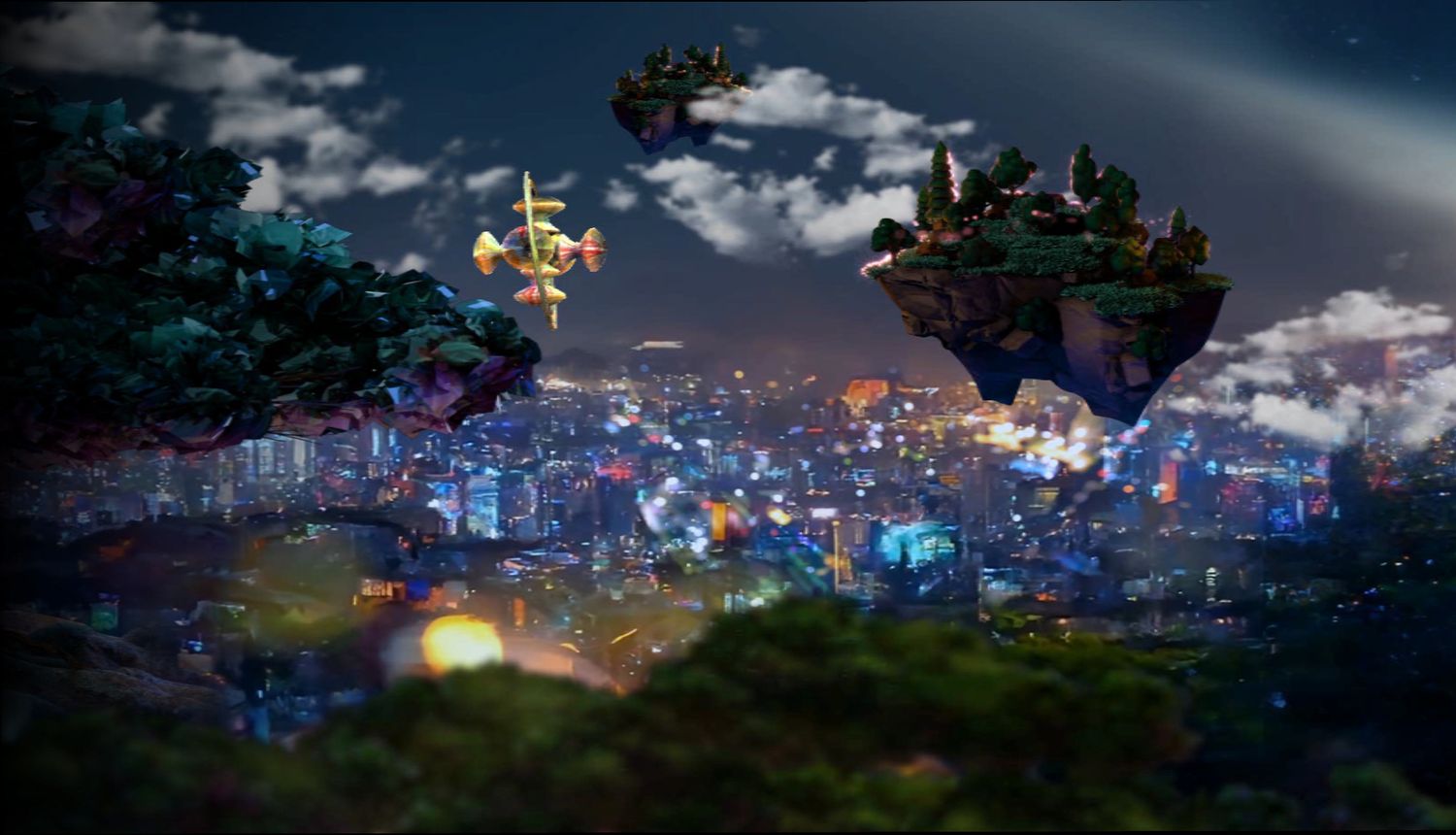
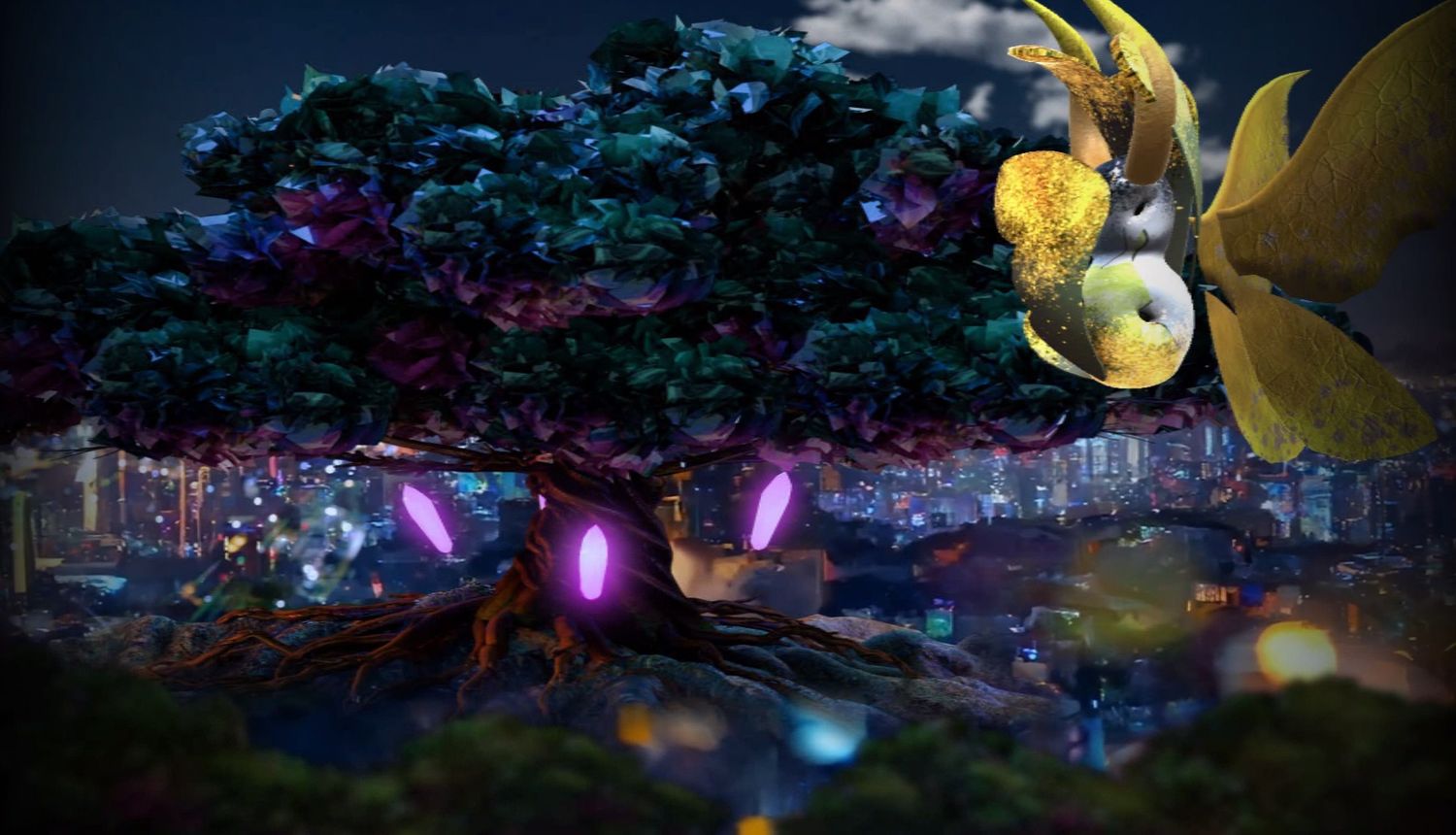
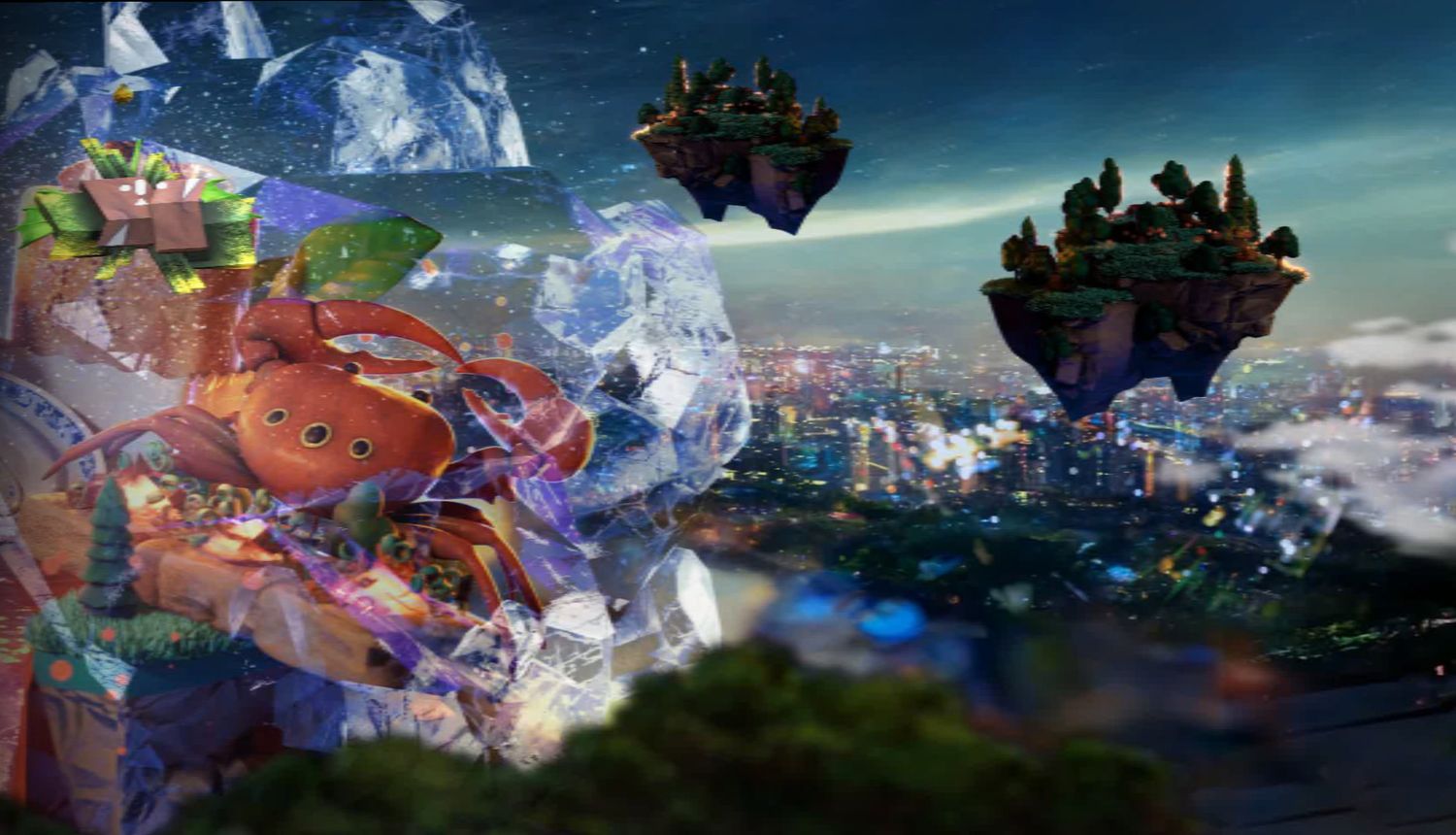
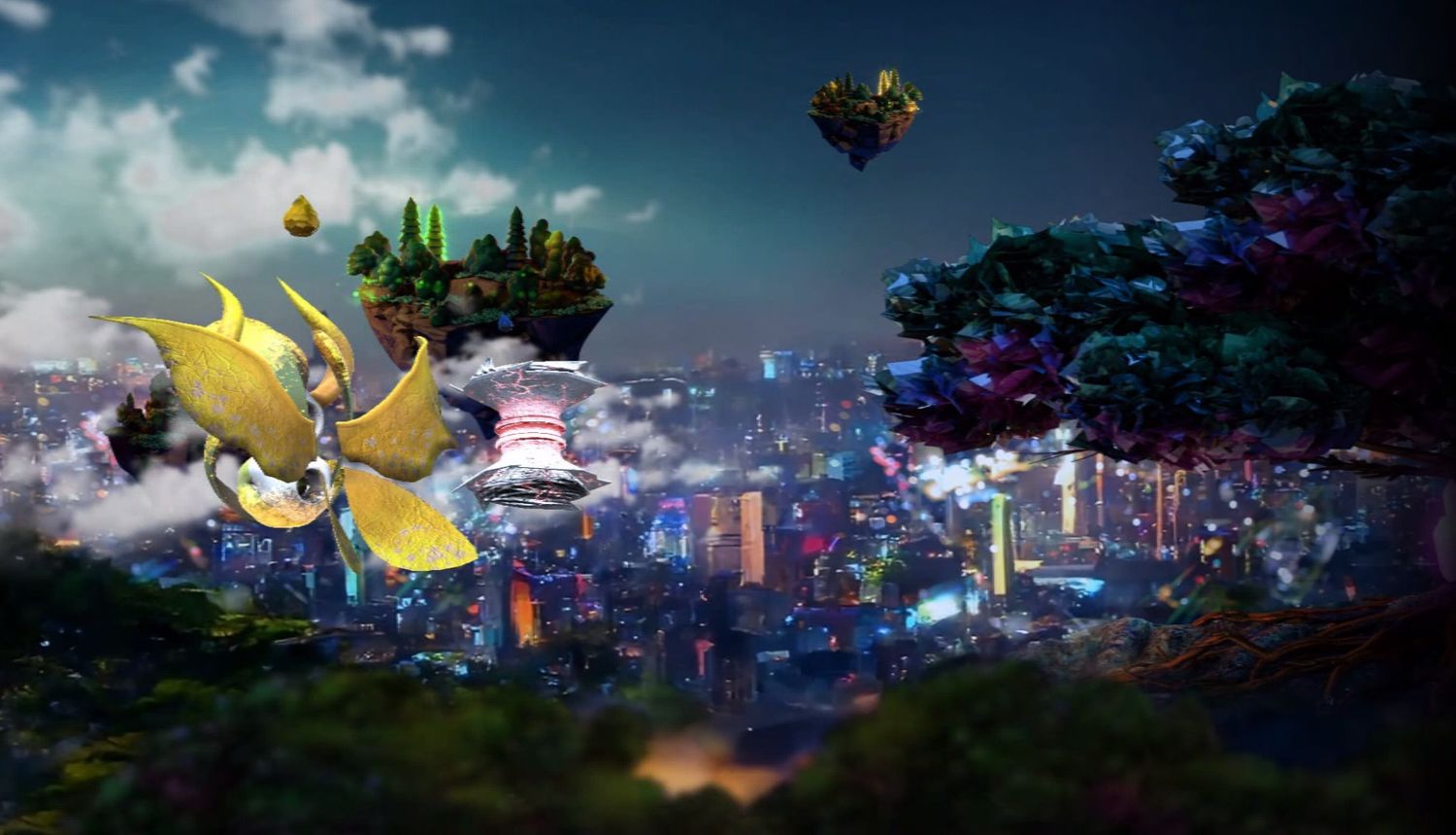
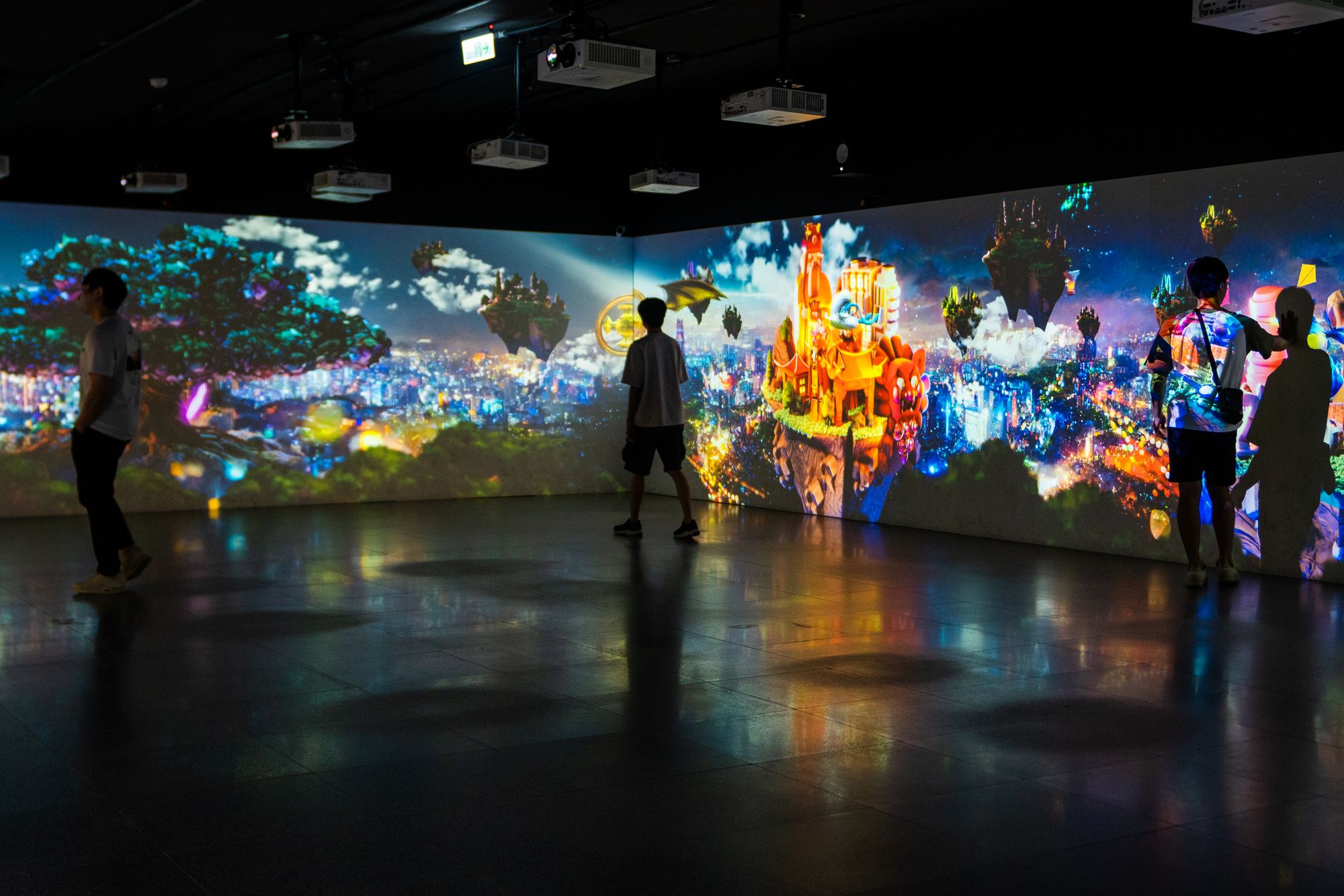
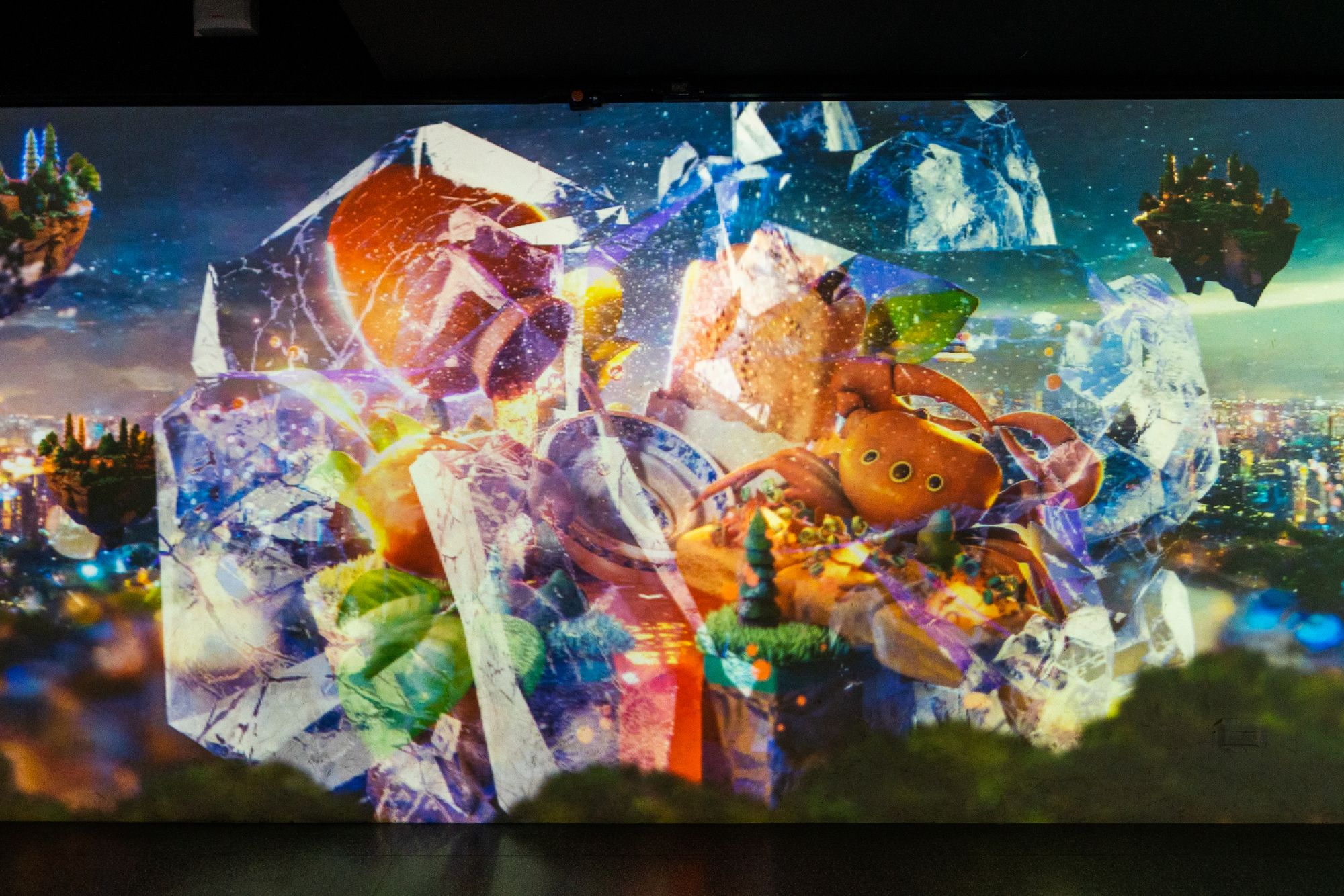
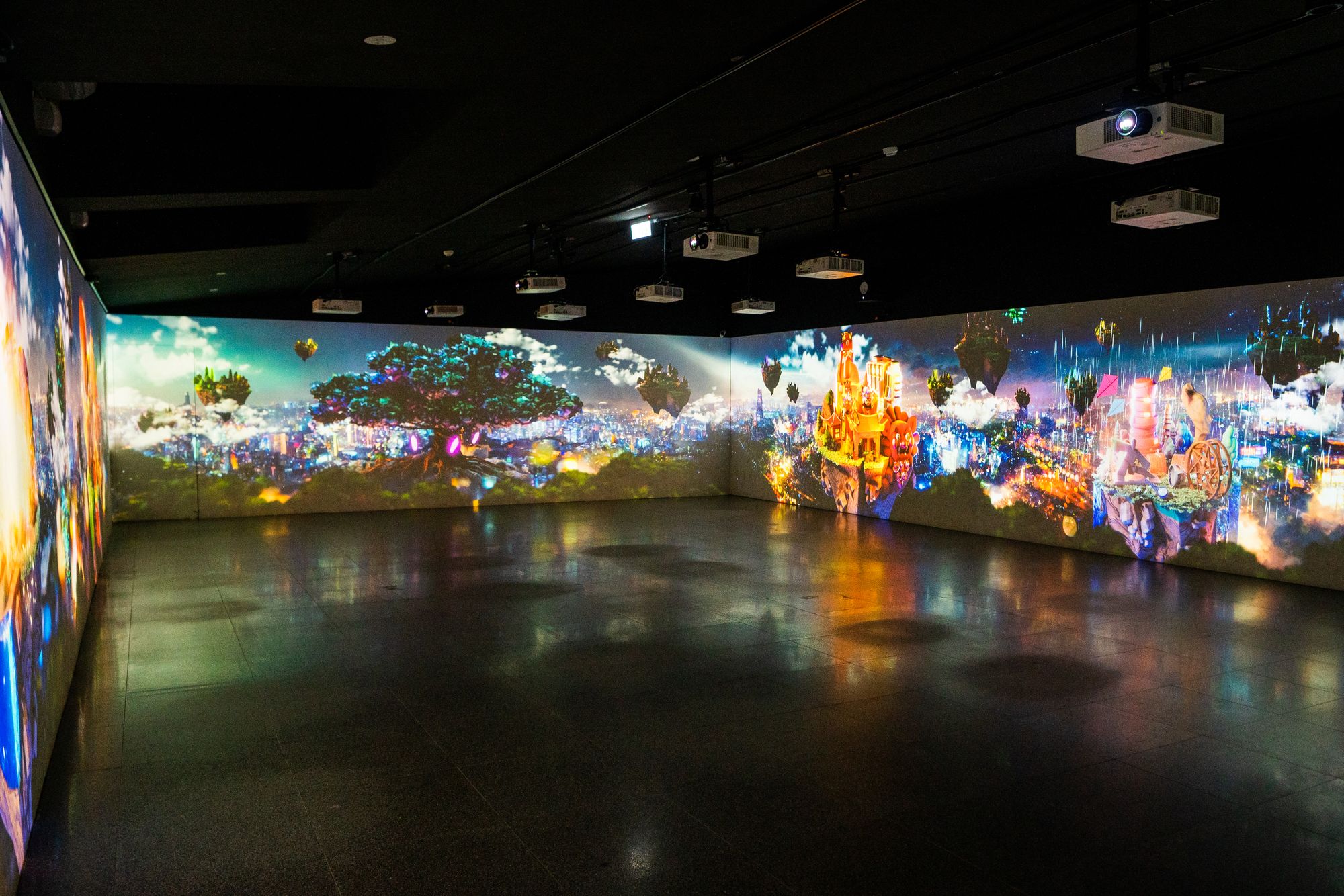
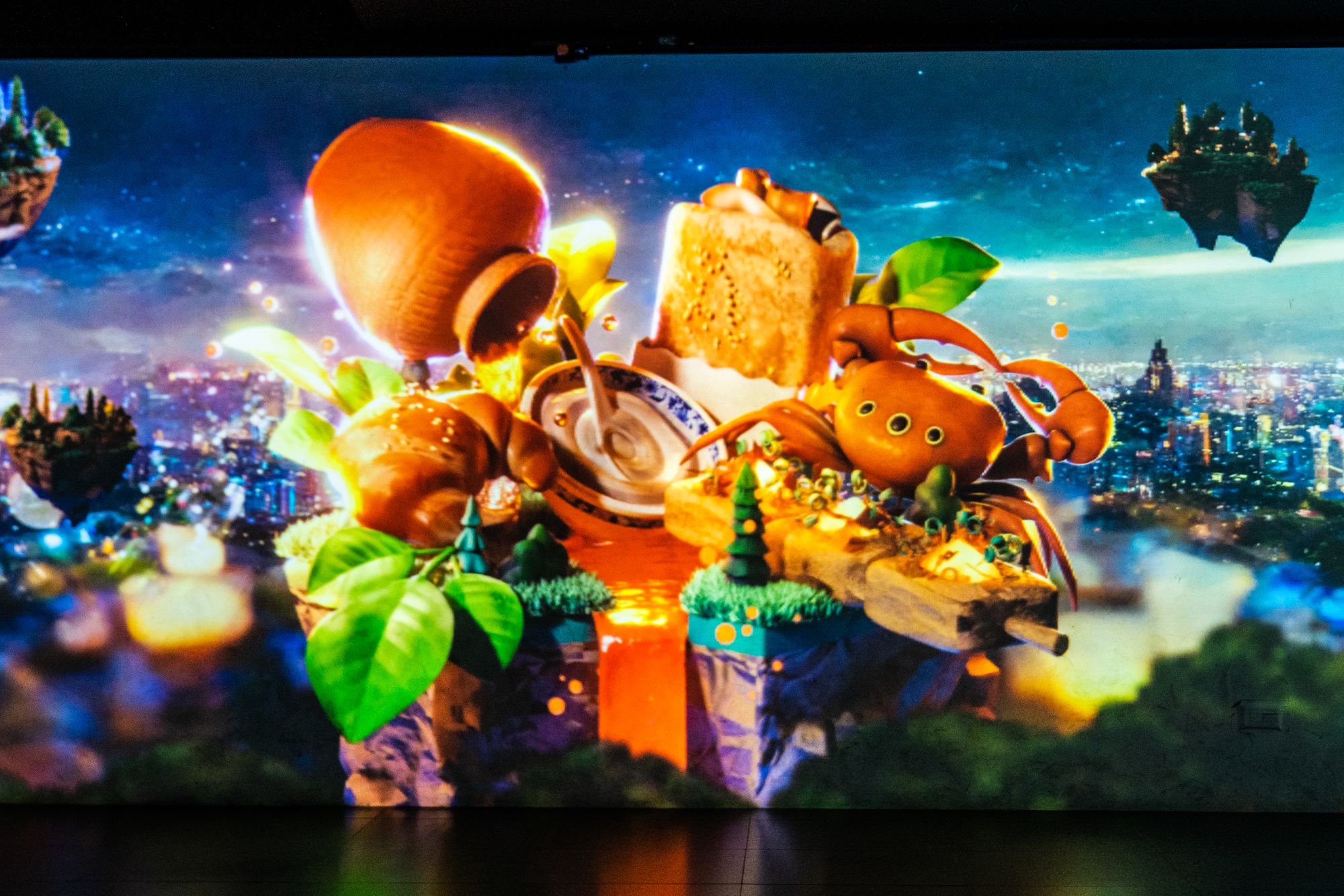
Zone B is not a backdrop. It is four habitats with their own palettes, their own rules and their own sensing station: the Great Rain Gymnasium, the Migratory Bird Living Room, the Volcano Restaurant, and the Mineral Library. Scanning in at each one earns experience, and the Mineral Library adds a quiz that pays out more.
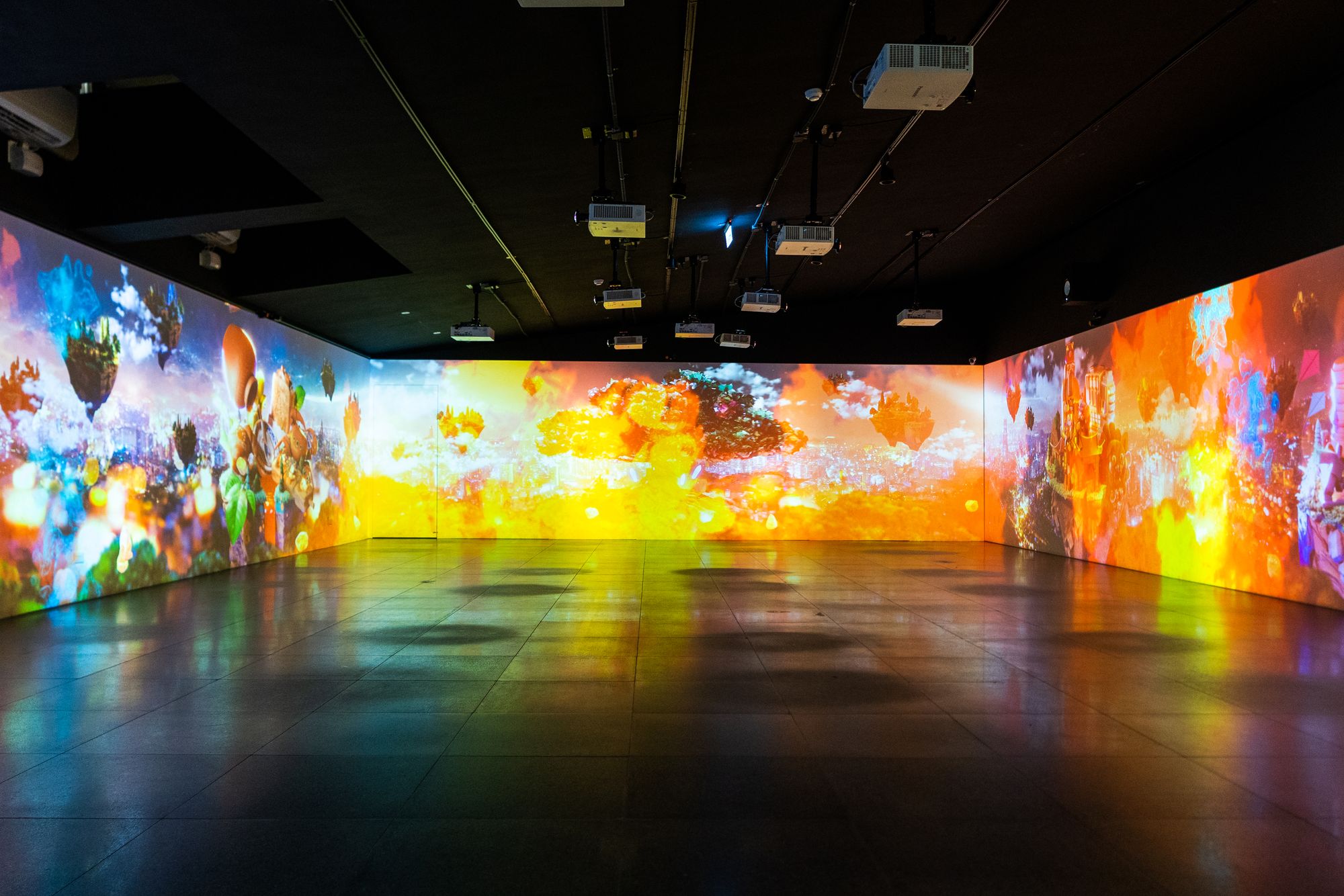
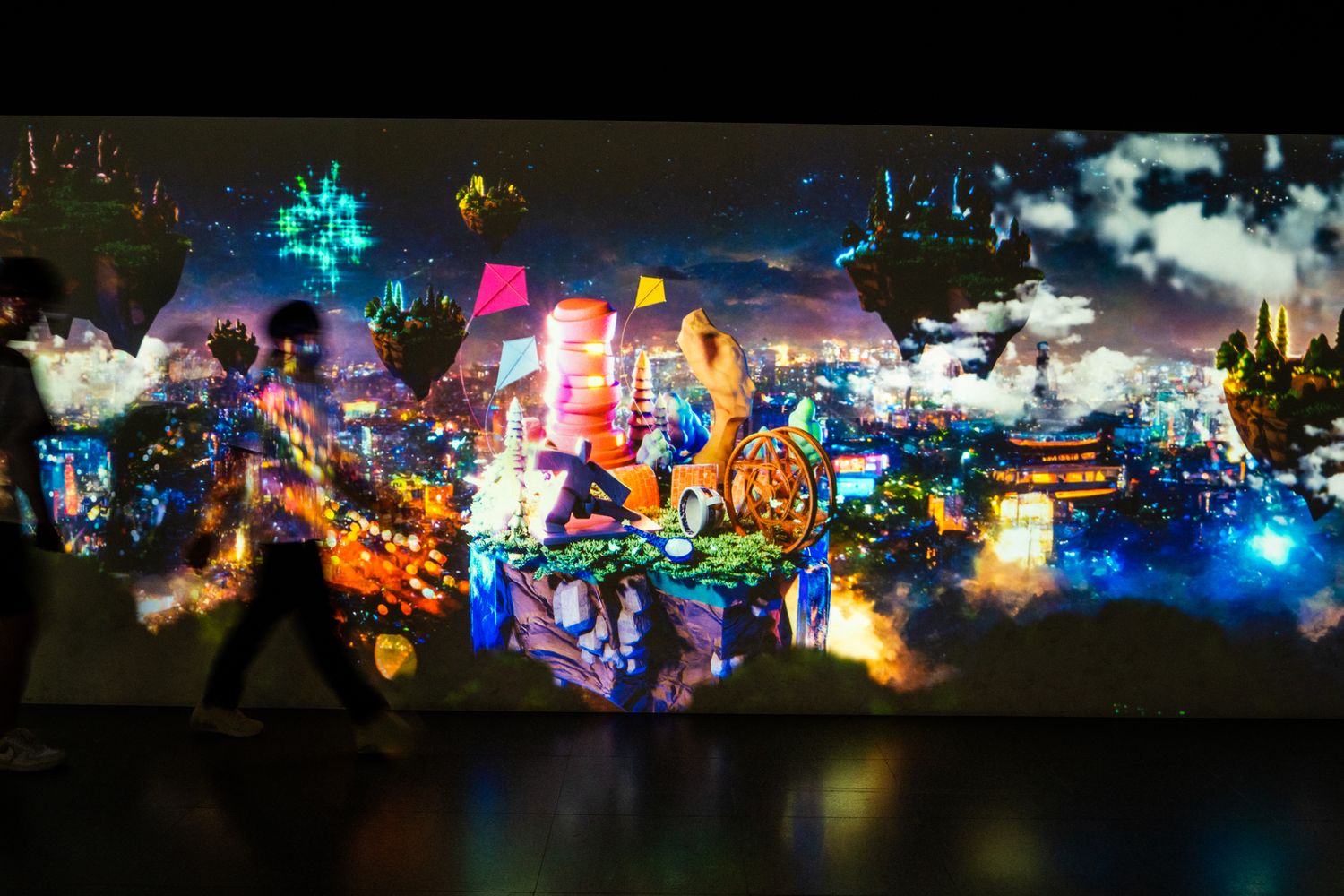
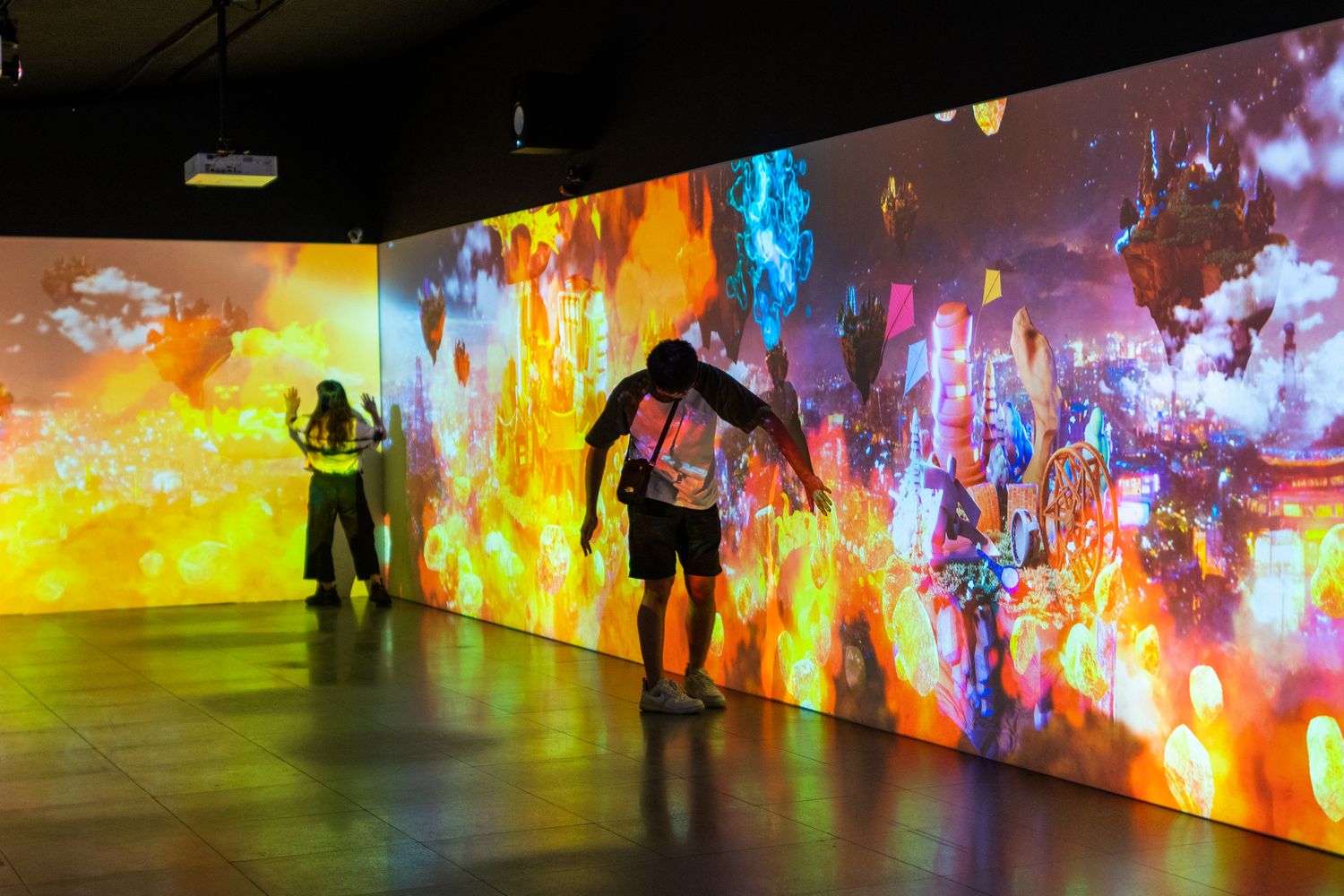
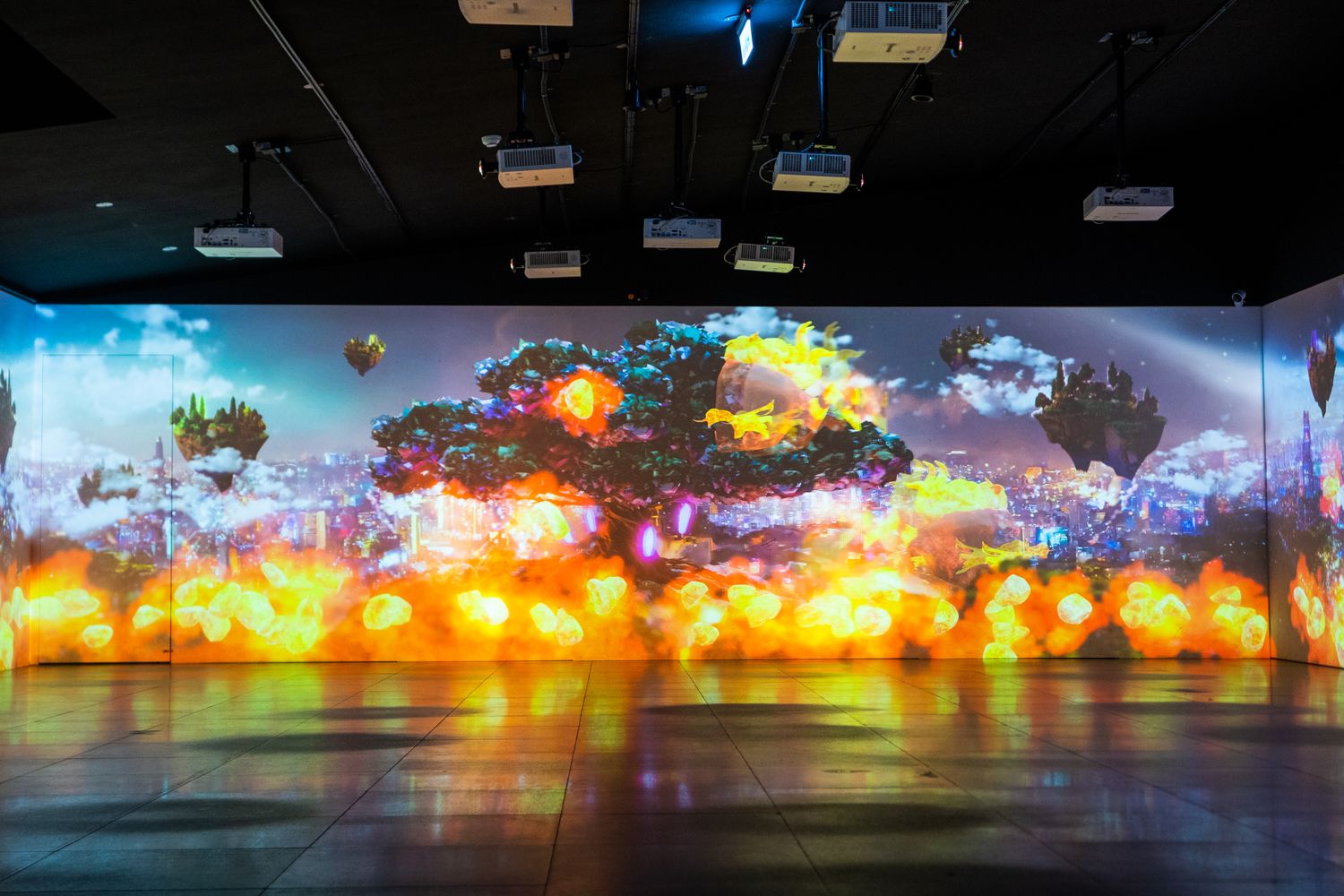
Designing across a continuous projected surface means composing for a viewer who is too close and always moving. Nothing can depend on being seen from the centre of the room.

Designing for the day it goes wrong
A six-month public run means the interesting screens are not the happy ones. Read failed. Login failed. You have not made a creature yet. Each of those is a designed state with a way out, because the alternative is a child standing at a machine that has stopped talking to them.
I also designed the staff console that keeps the exhibition running: daily visit counts, downloadable reports, a log of every visitor's journey, and the operator tools to reprint a lost QR card or correct a creature's stats by hand. That console is the reason the piece survived six months without a designer on site.
The last stretch before opening went almost entirely into the parts you feel rather than the parts you read: tuning the boss-fight mechanic, adding effects, and finishing the feedback loop so that every action a visitor takes visibly answers back. That is typically the work that gets cut when a schedule tightens. It is also the work that decides whether a room feels alive.
The developer handover ran to a full interaction spec, screen by screen, with the API contract written into it: registration, creature lookup by token, station login, reward transactions.
That document is a fair description of where I actually sat on this project. The development team owned the build and ran the functional testing. My job was the seam between the visual and the code: specifying what the system needed to produce, judging whether the result looked right, and going back into the UV layouts and the model design until it did.
In the room
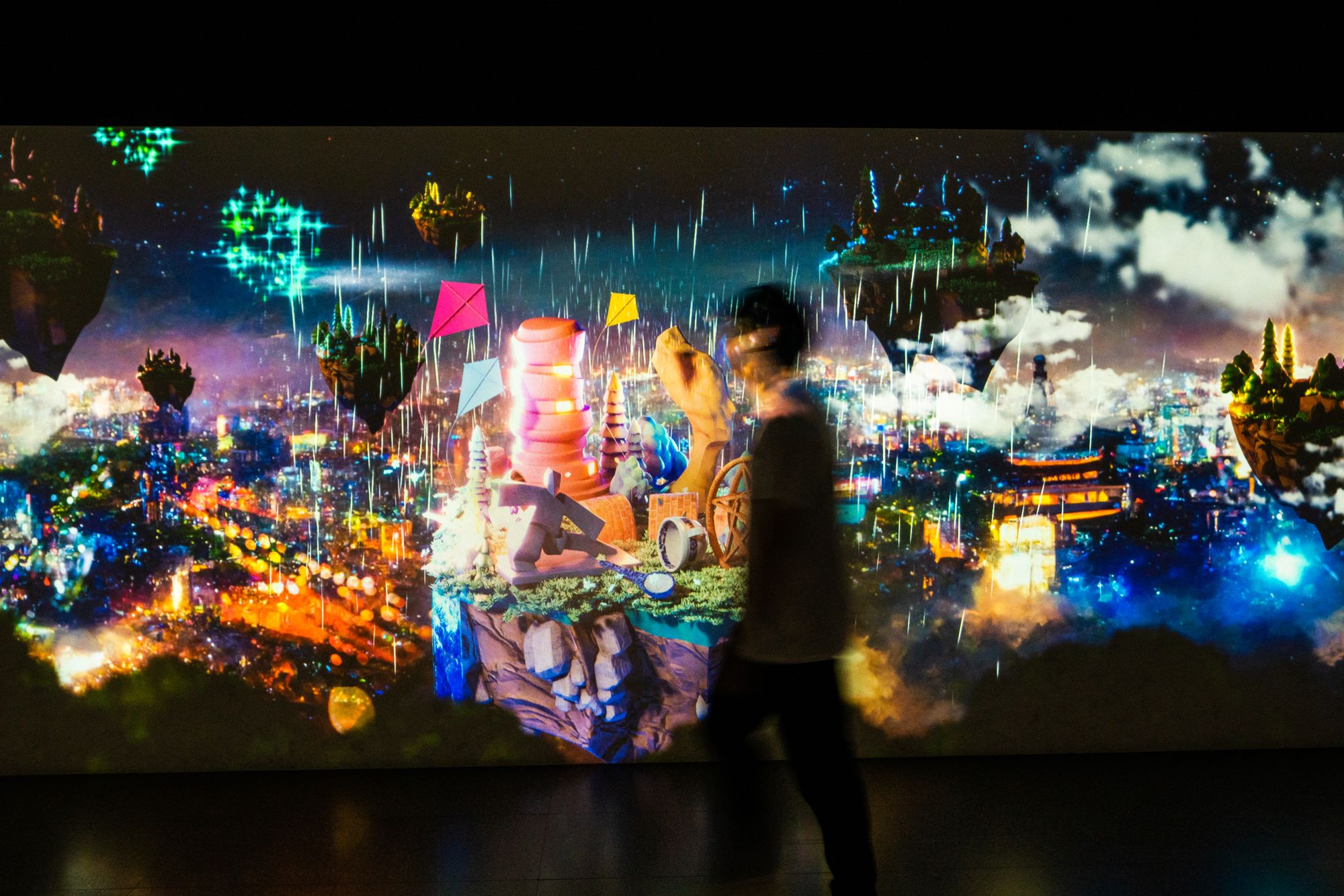
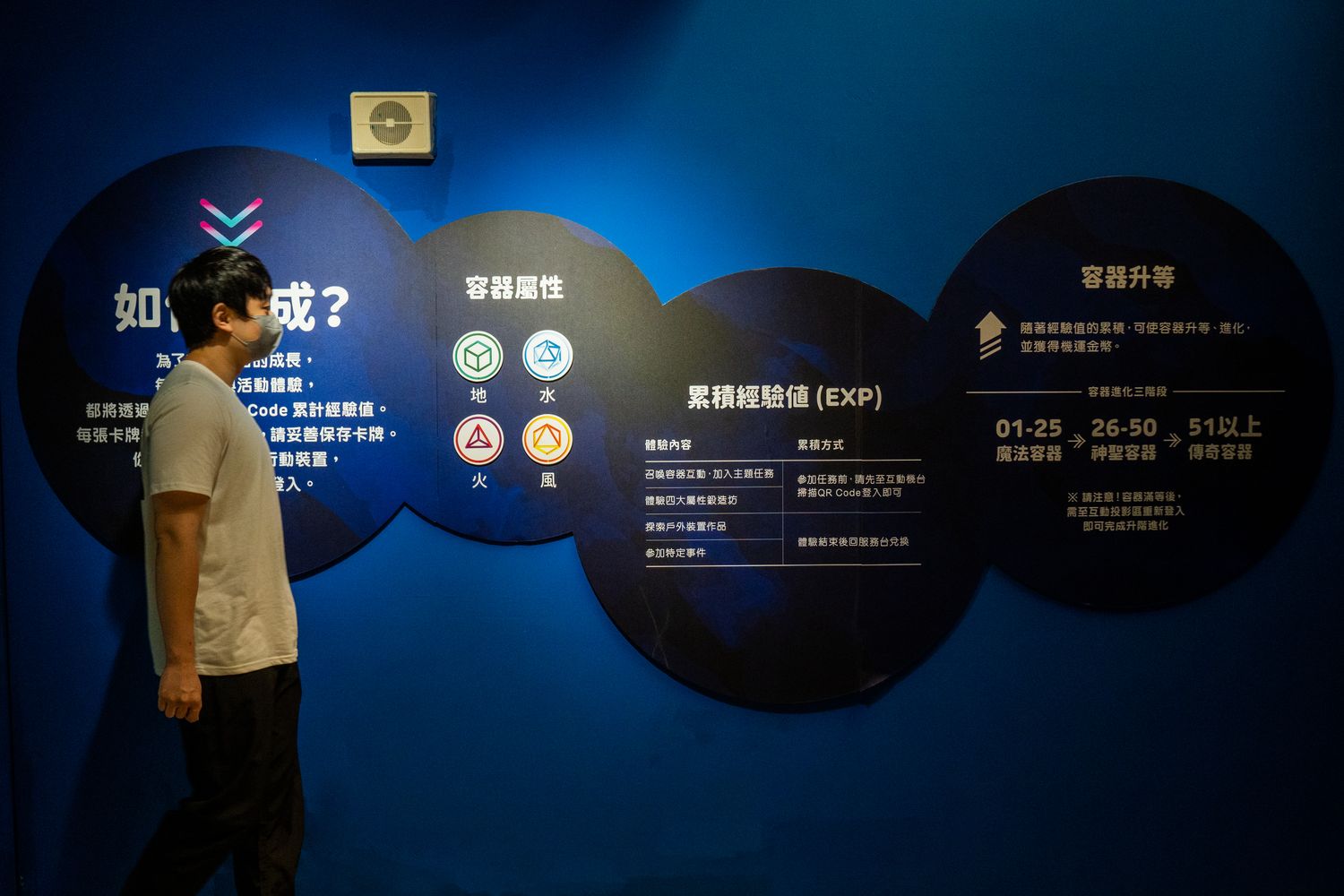
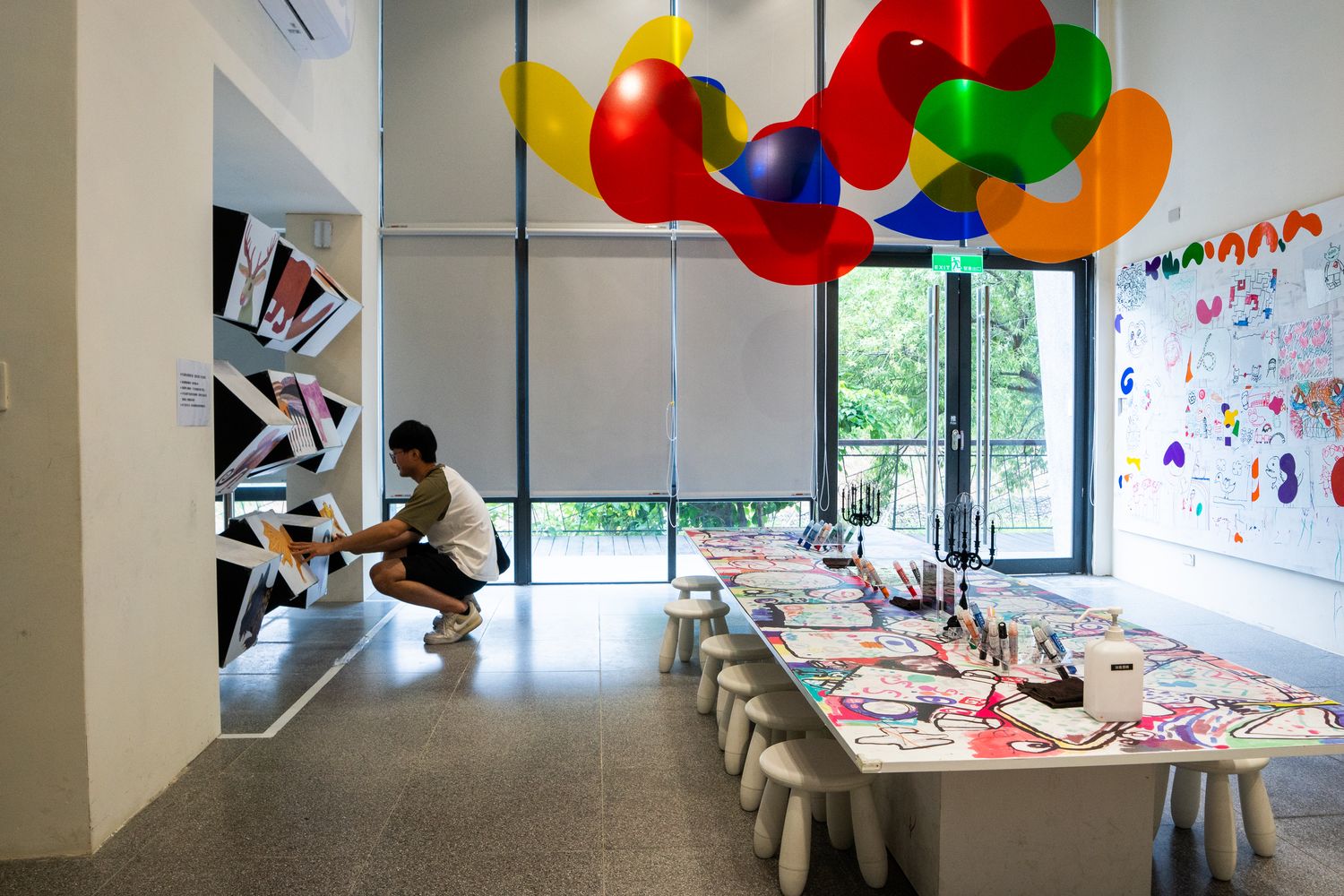
What the photographs show that no document can: children sit down. They find their own creature, point it out to a stranger, and stay to watch what it does next.

What 196 days of data said
The back end logged every session for the length of the run, which means this project can be argued with numbers rather than adjectives.
The number I keep coming back to is a less flattering one. 99% of creatures never left the first quarter of the level range. Visitors made something, took it round the habitats, and stopped. The making worked. The keeping did not.


What I would do differently
My responsibility on this project was visual direction for Zone A's large-scale interactive projection, and that is where both of my regrets sit.
The scenes were compressed to fit the machine. The projection surface was enormous, and between the render resolution it demanded, the hardware available and the schedule, a lot of the environment art shipped more compressed than I wanted. Given the time again I would design the scenes around that budget from the start rather than trimming quality at the end to meet it.
The creatures needed to be better company. Their movement and the feedback when you touch them were the last things to get attention and the first things that would have mattered. More life in the animation and more response to being poked is where I would spend the next round.
And I would argue harder about the abstraction. Grounding the creature forms in Yingge's ceramics was the right instinct and I would keep it; a piece made for this museum should look like it could only have been made for this museum. But the audience was overwhelmingly children, and an abstract vessel is harder to fall in love with than an animal is. Given the decision again I would hold onto the ceramic reference and push the result back toward something clearly alive, whether that lands as cute or as cool.
The level data is the argument. Visitors made a creature and did not come back to raise it. I do not think that is only a mechanics problem; I think some of it is that the thing they made was easier to admire than to adore.