Future Agent · TIE 2026
At Taiwan Innotech Expo 2026, the Innovation Economy Pavilion’s Future Agent gives every visitor an AI companion built from their photo and two choices. I designed the agents, their accessories and the world they walk out into, and built their 3D models.
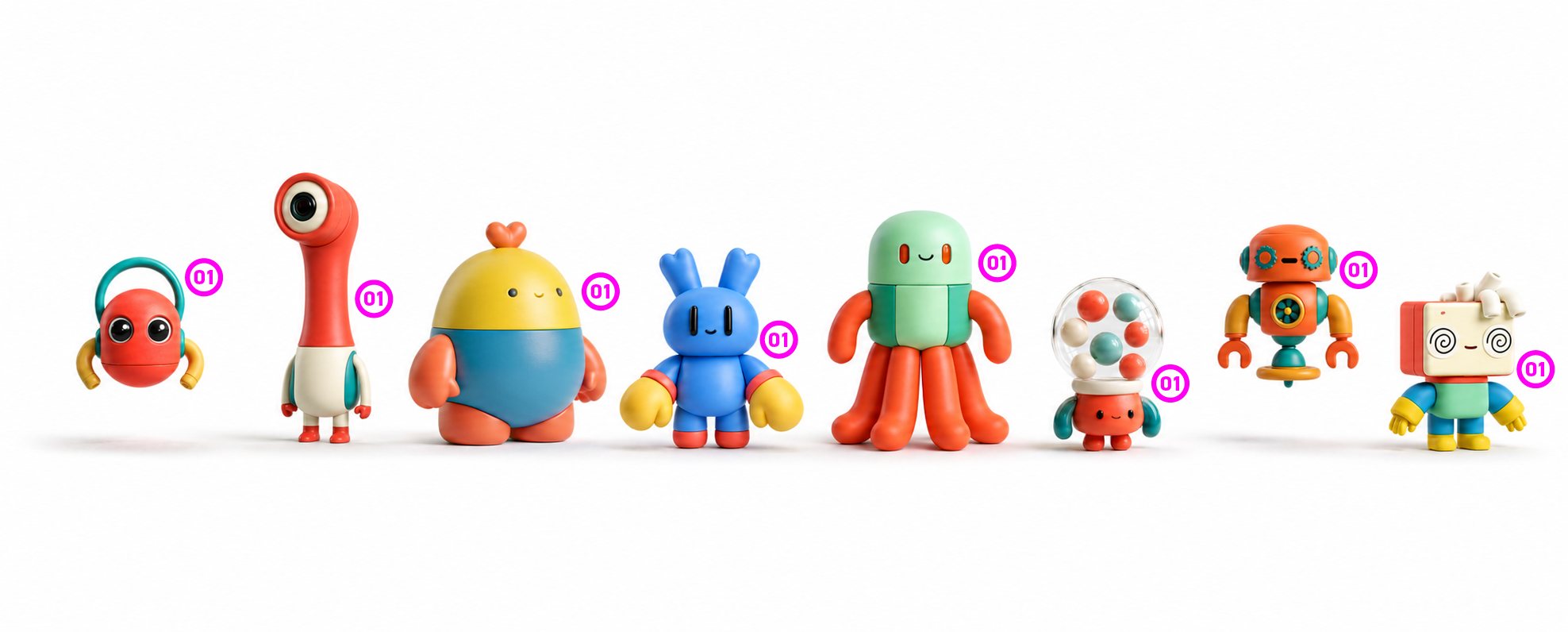
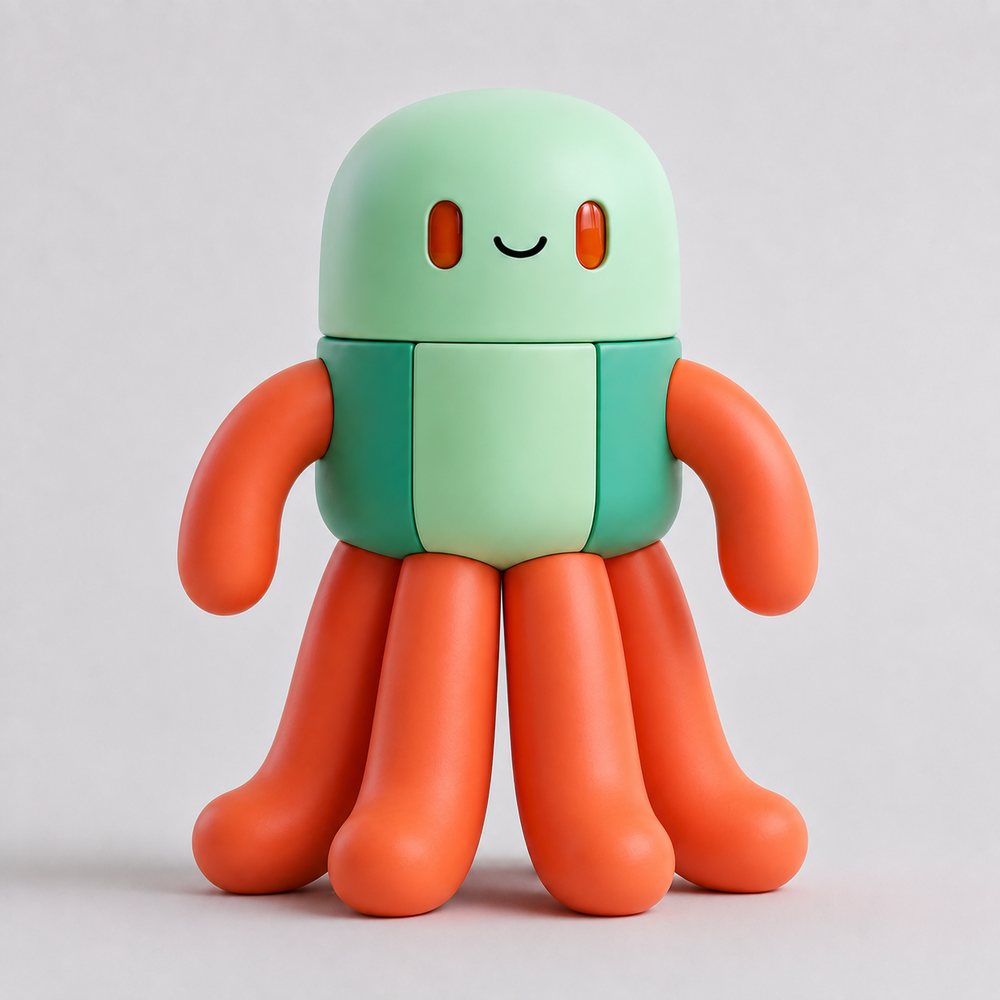
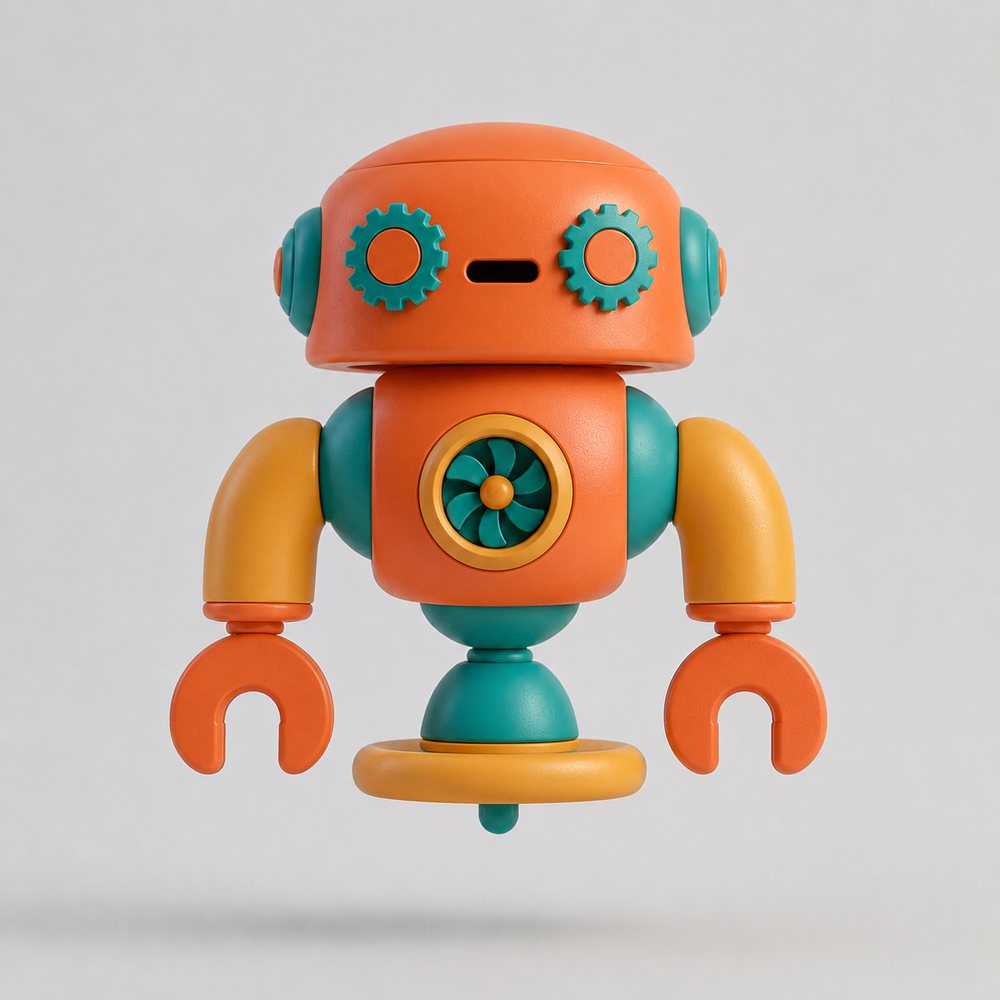
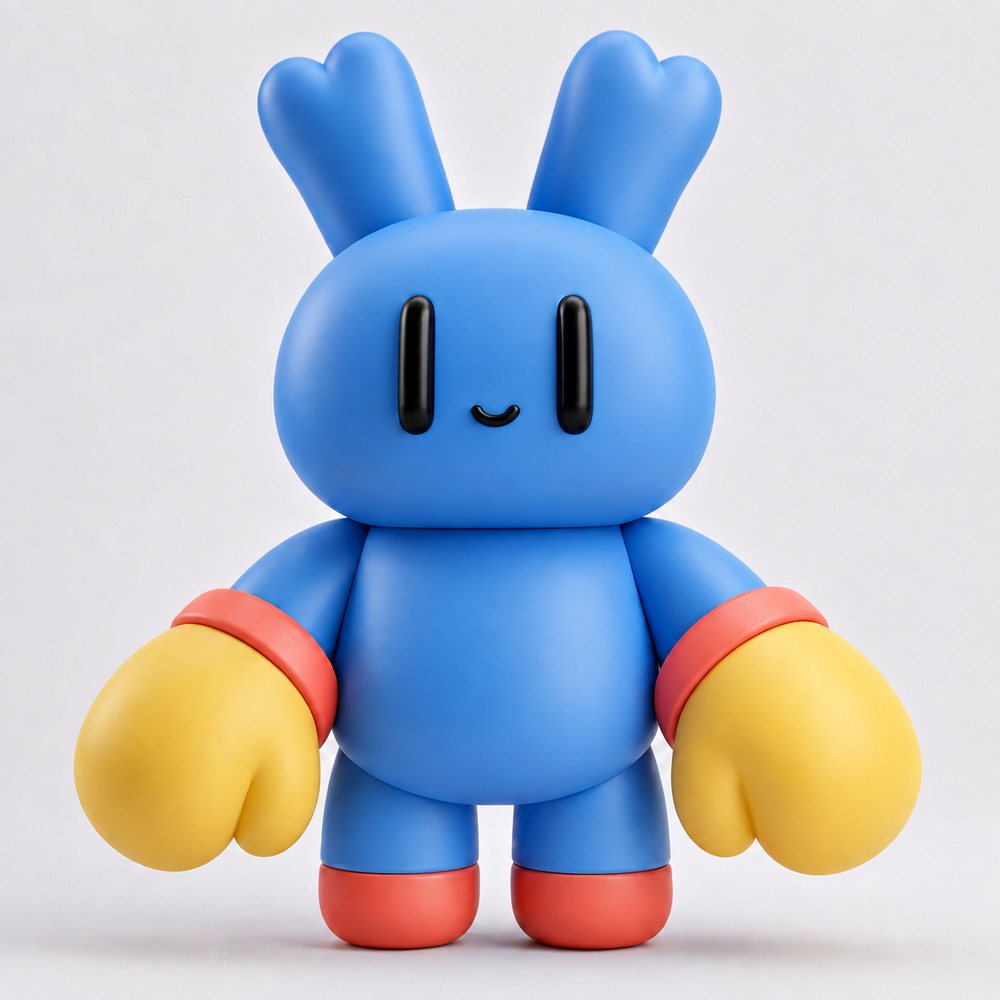
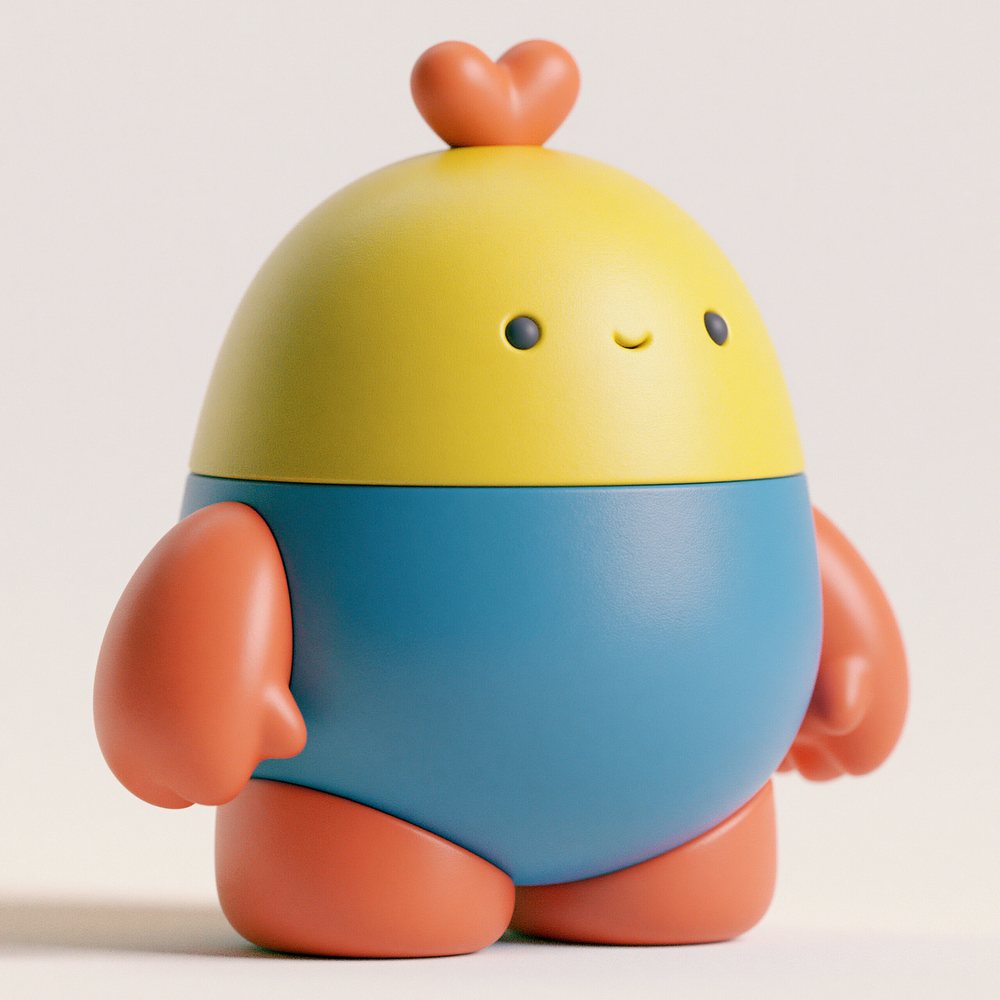
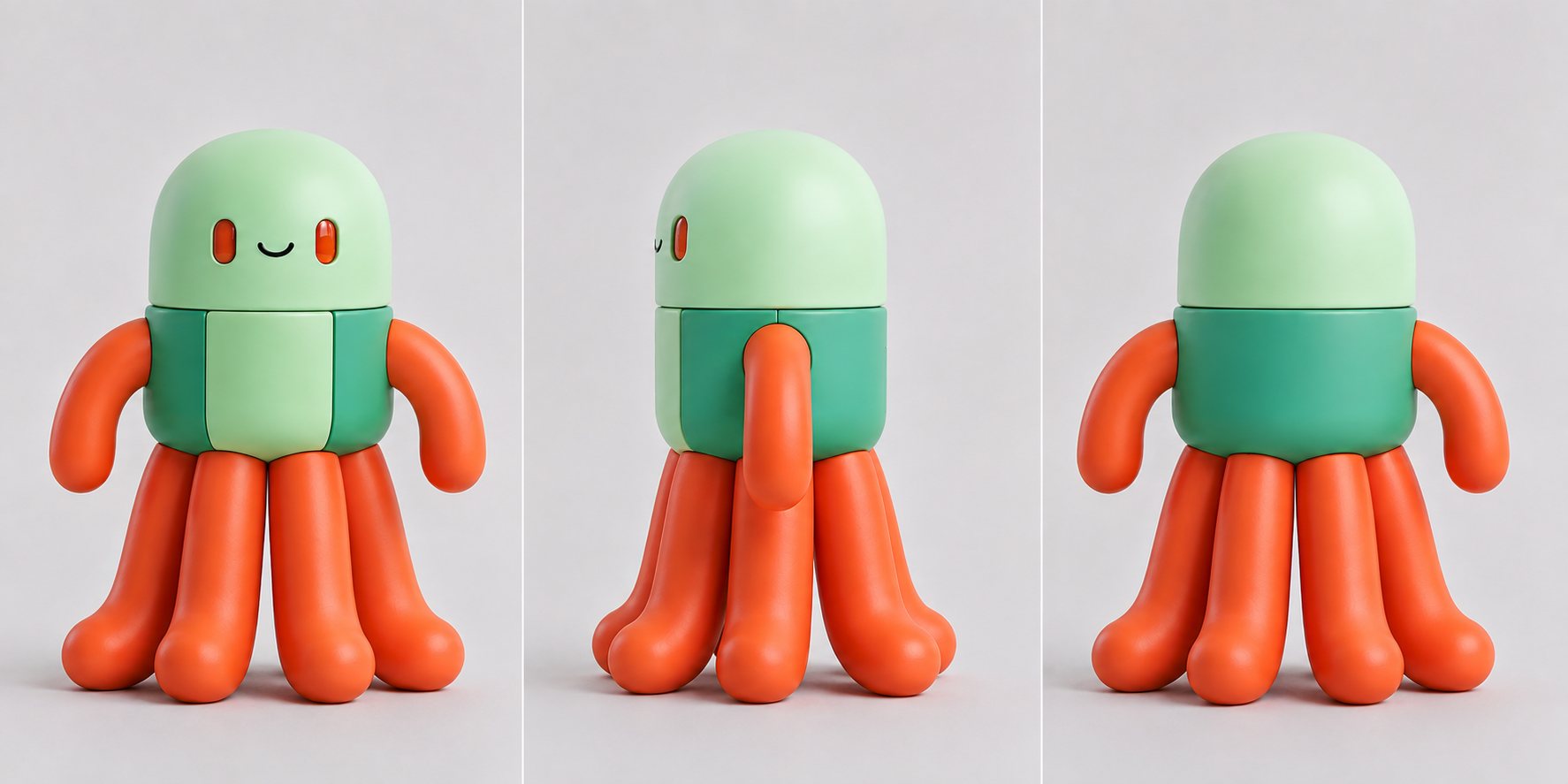
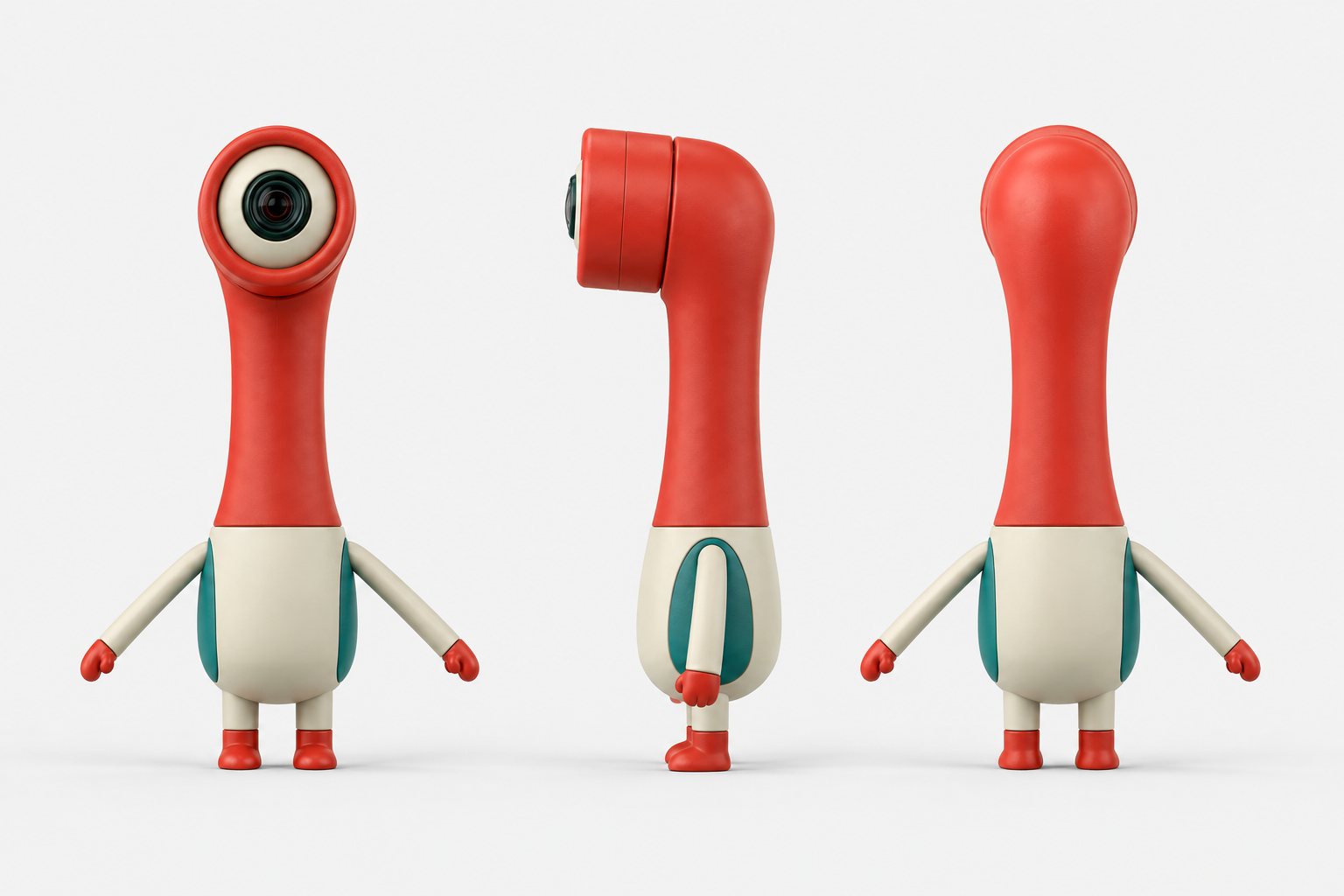
- The eight agent characters, from AI image exploration to final designs
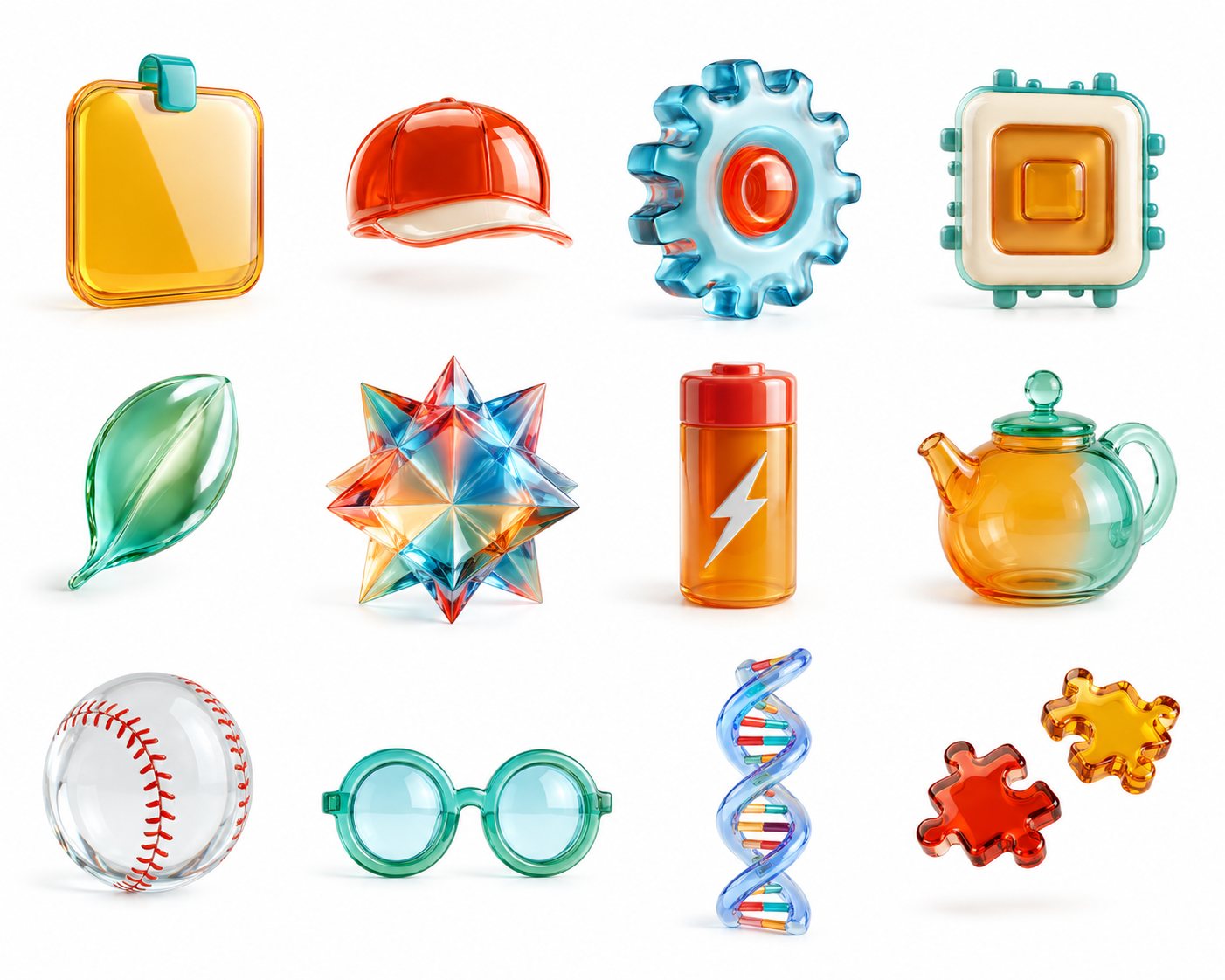
- The accessories, one for each core ability
- The 3D models, modelled by hand, and their UV regions
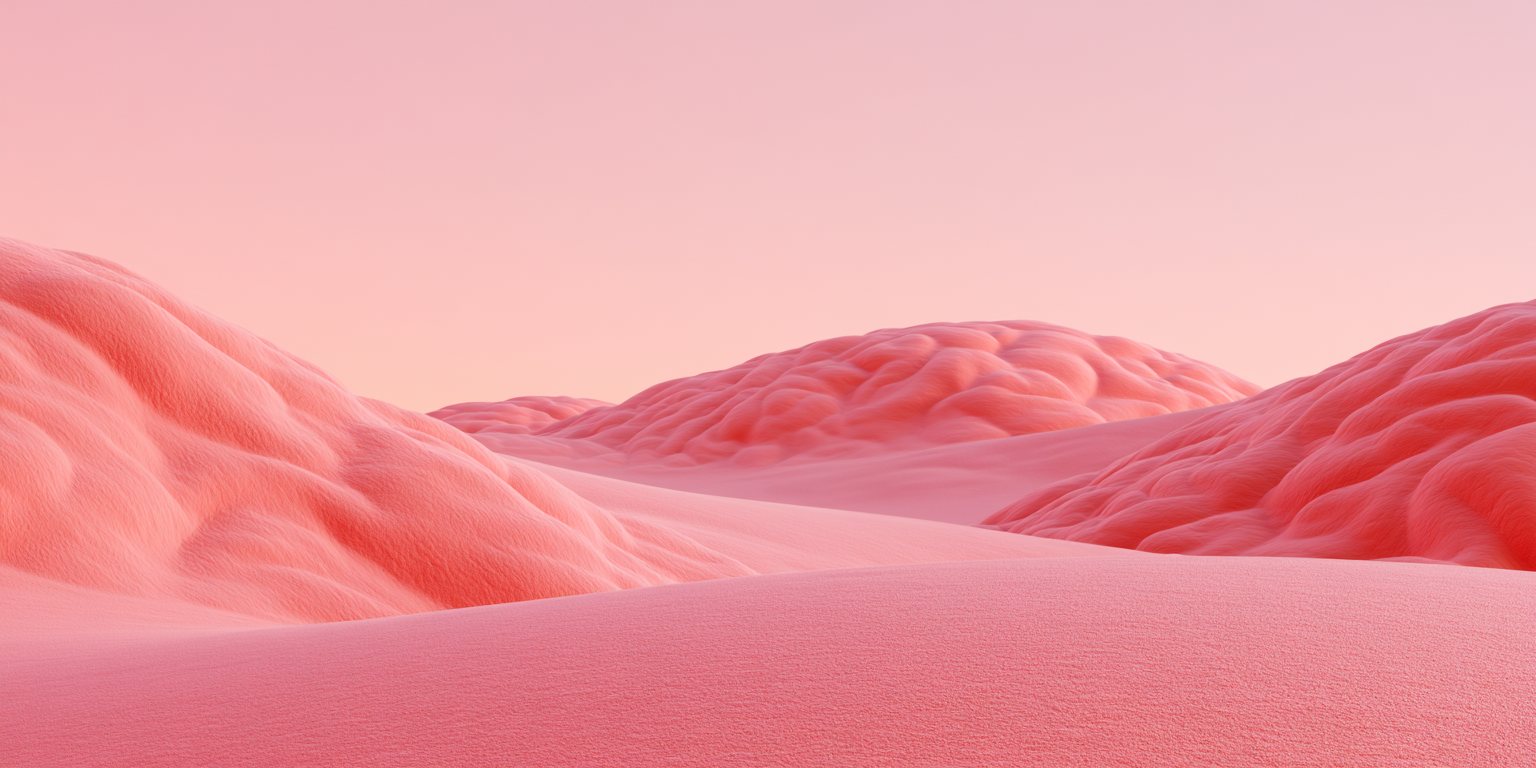
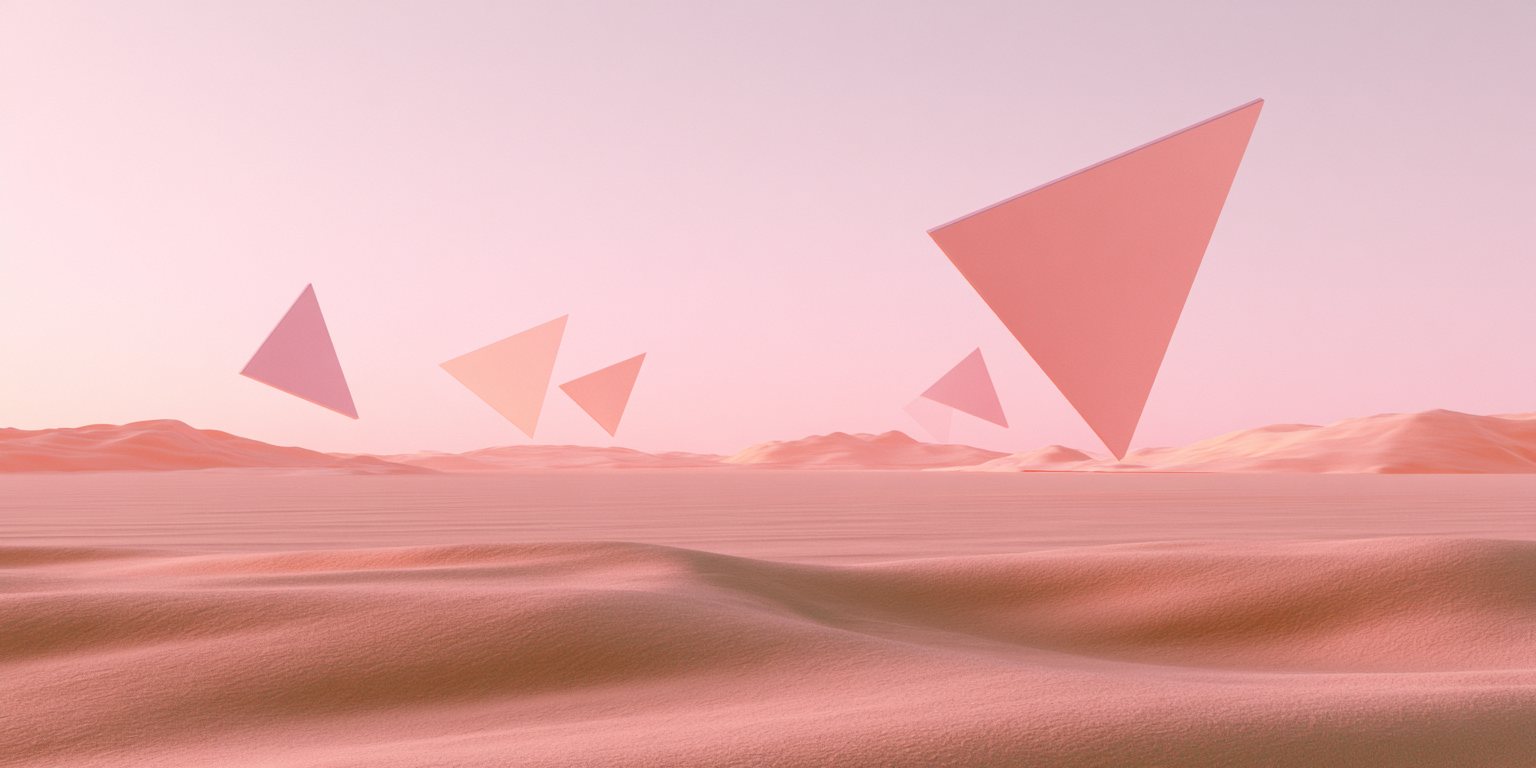
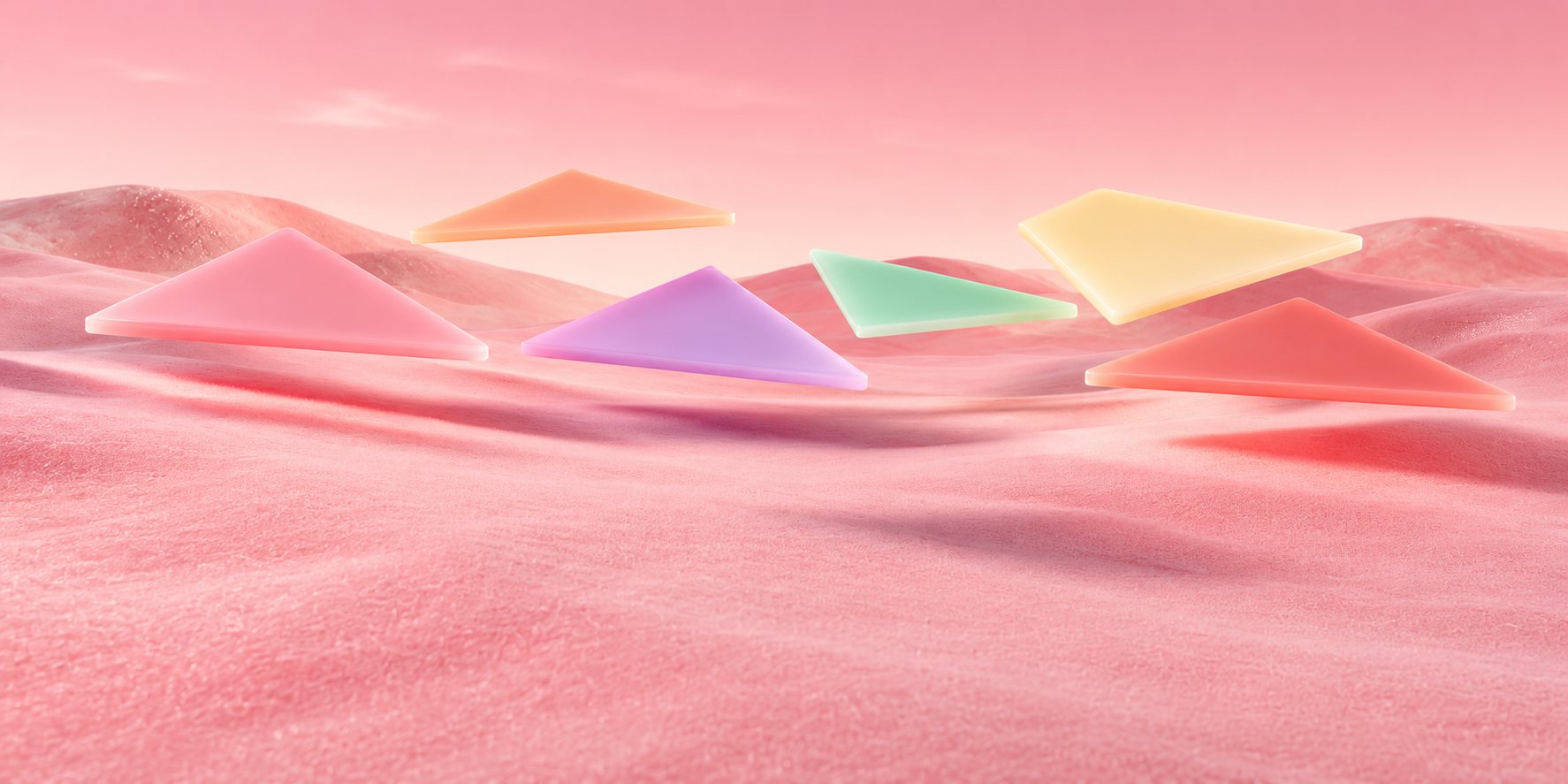
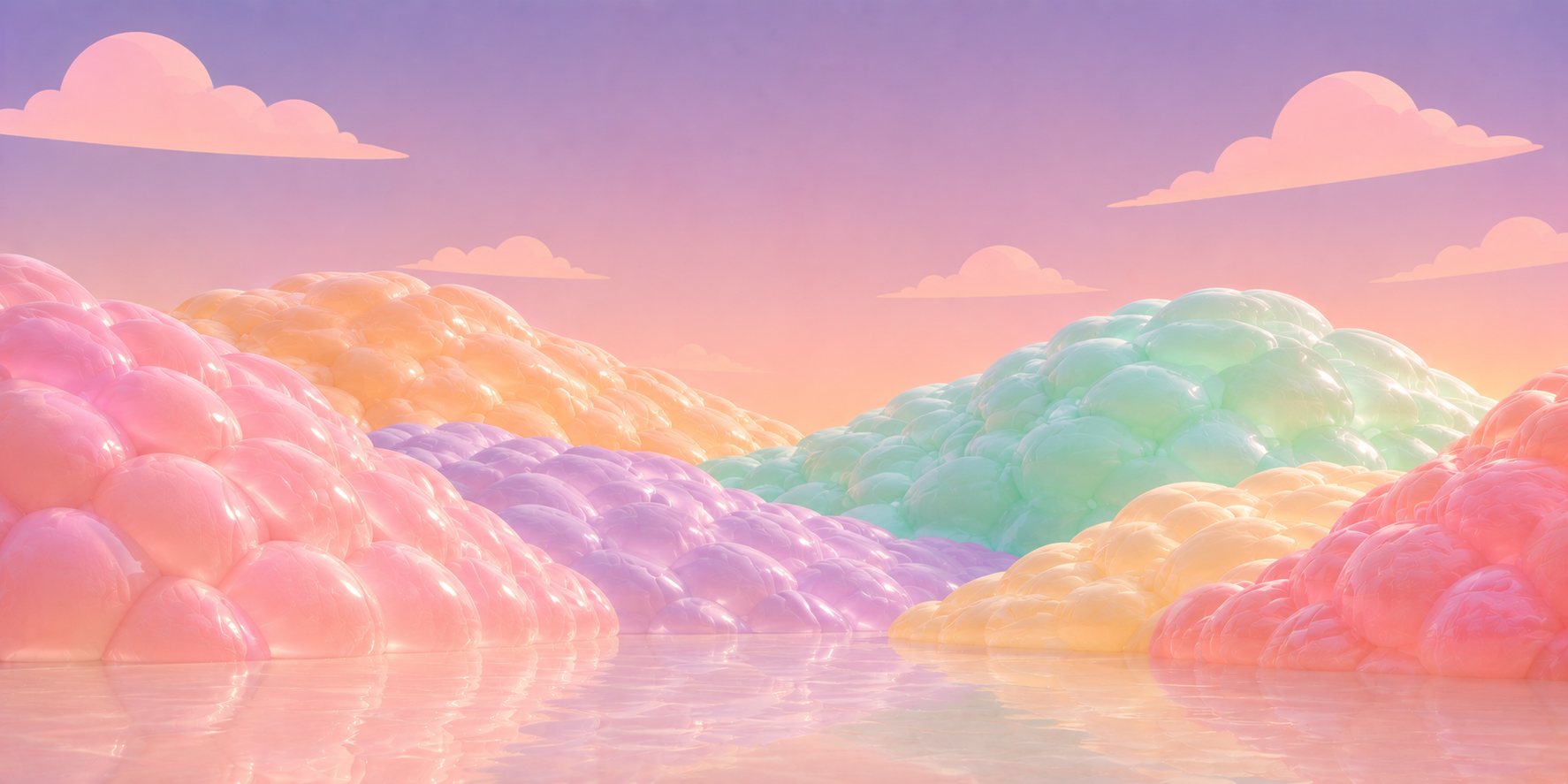
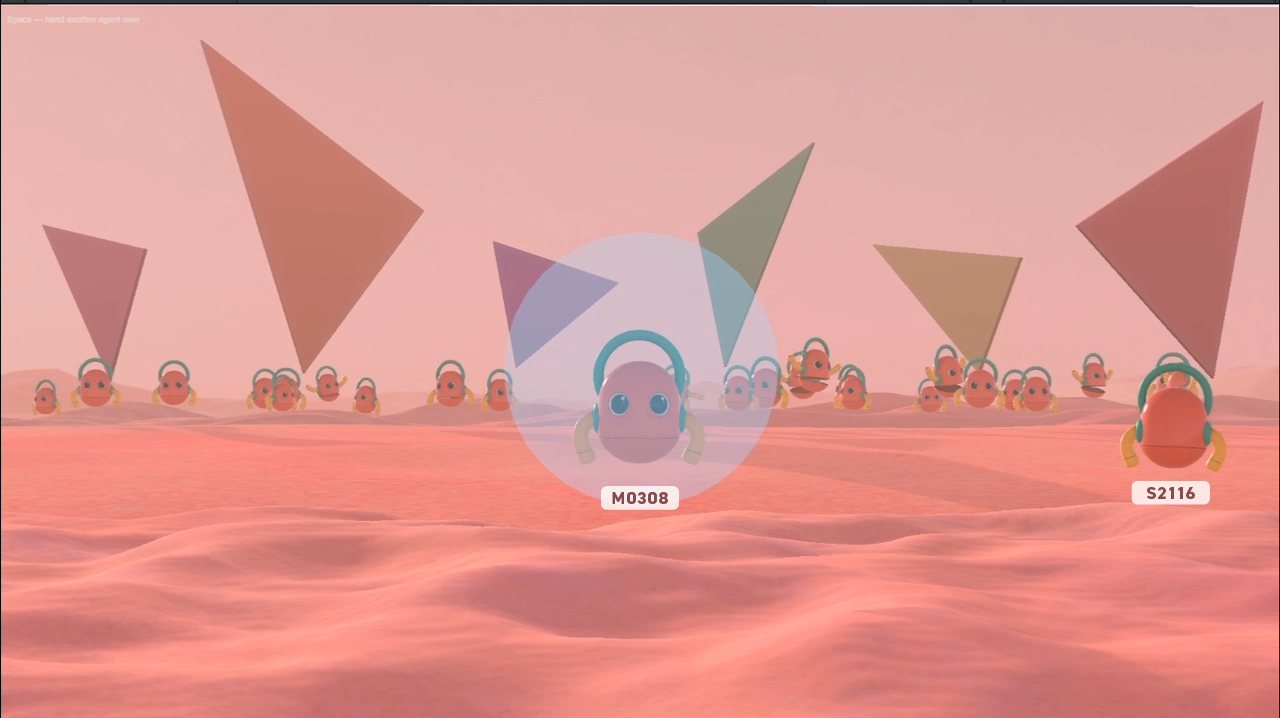
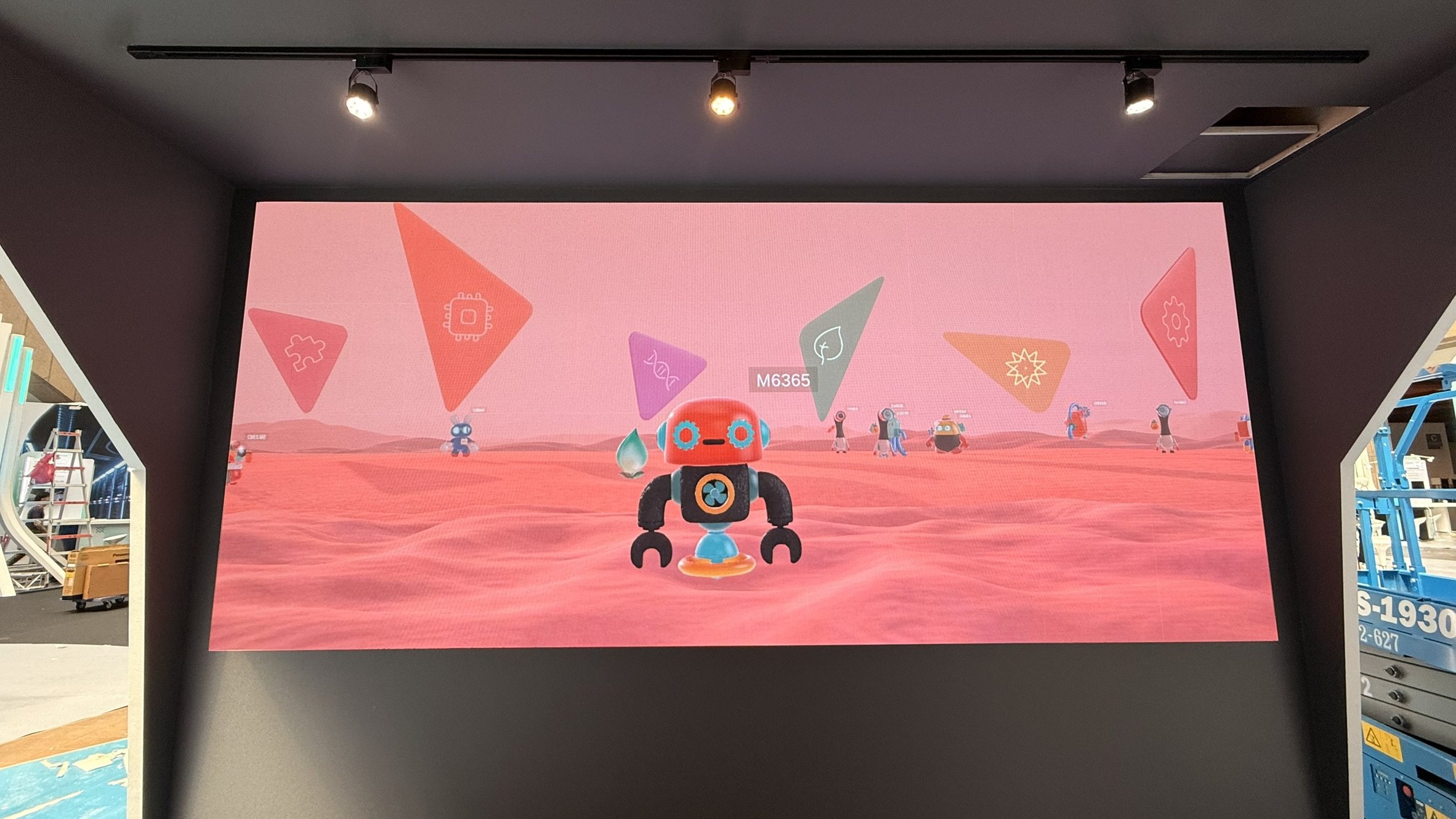
- Concepts for the agents’ world on the LED wall
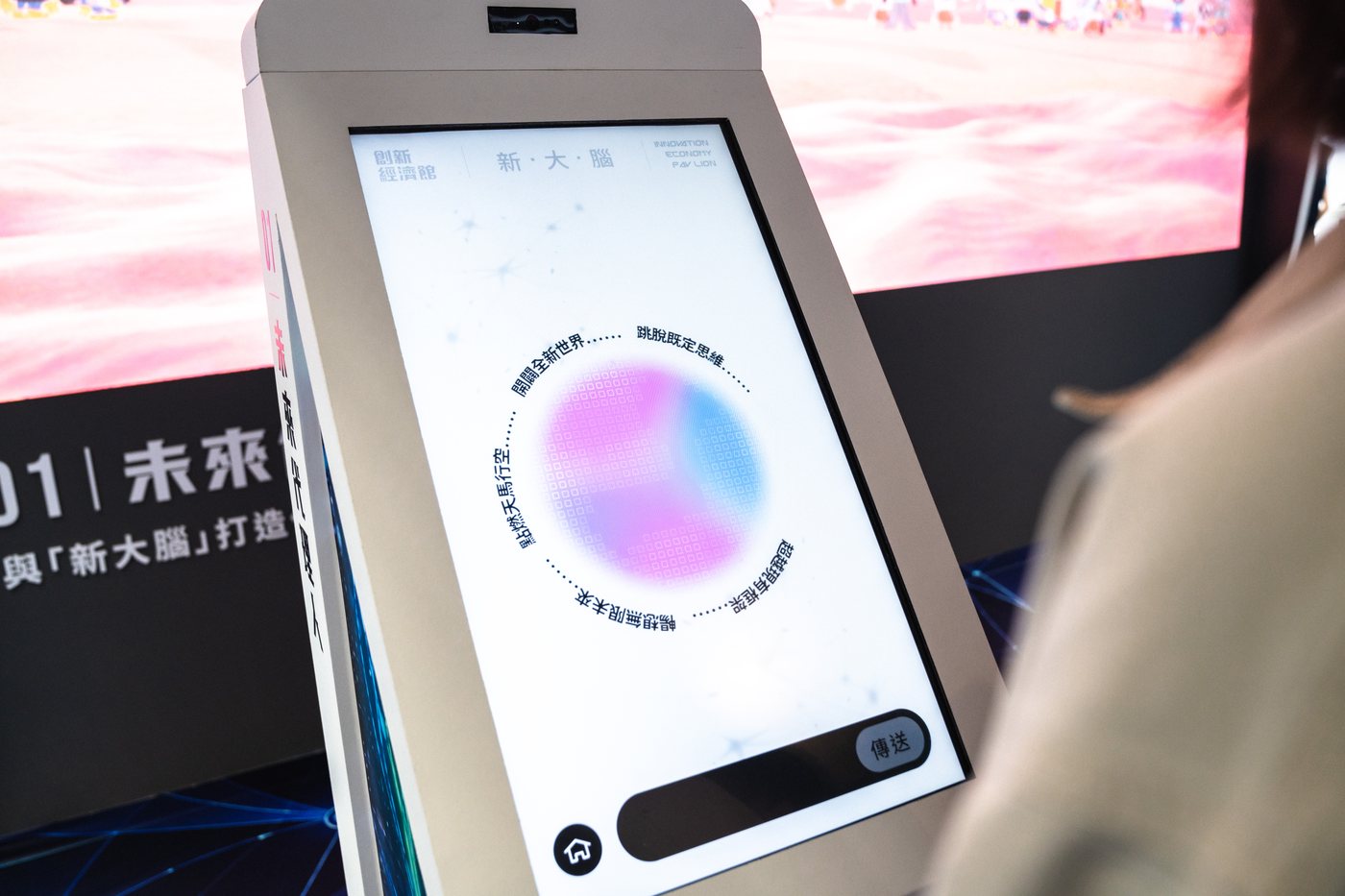
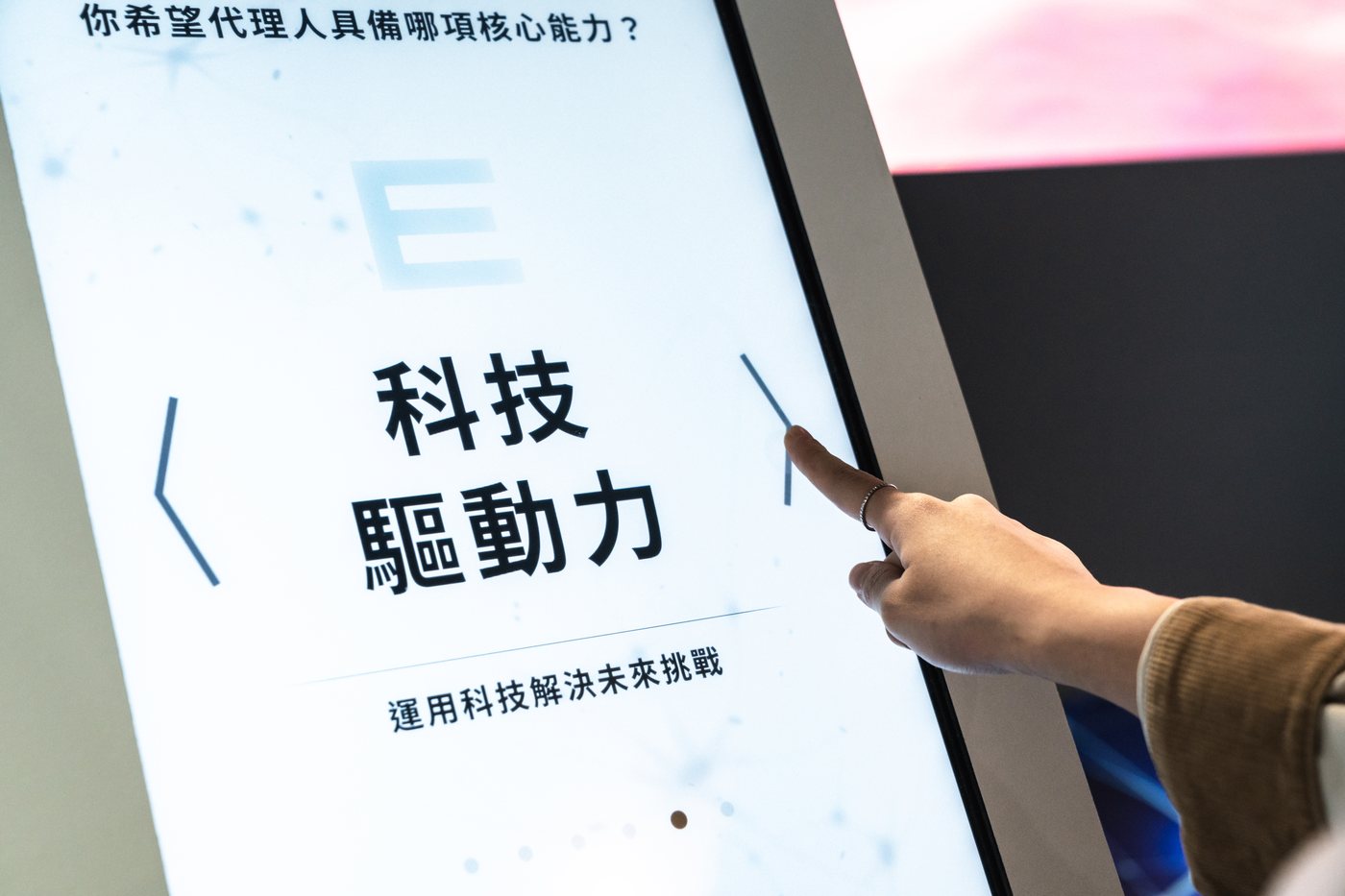
- The kiosk interface and the AI pipeline
- The second interactive, the Creation Lab
- The pavilion’s architecture and the inflatable brain
An AI companion for every visitor
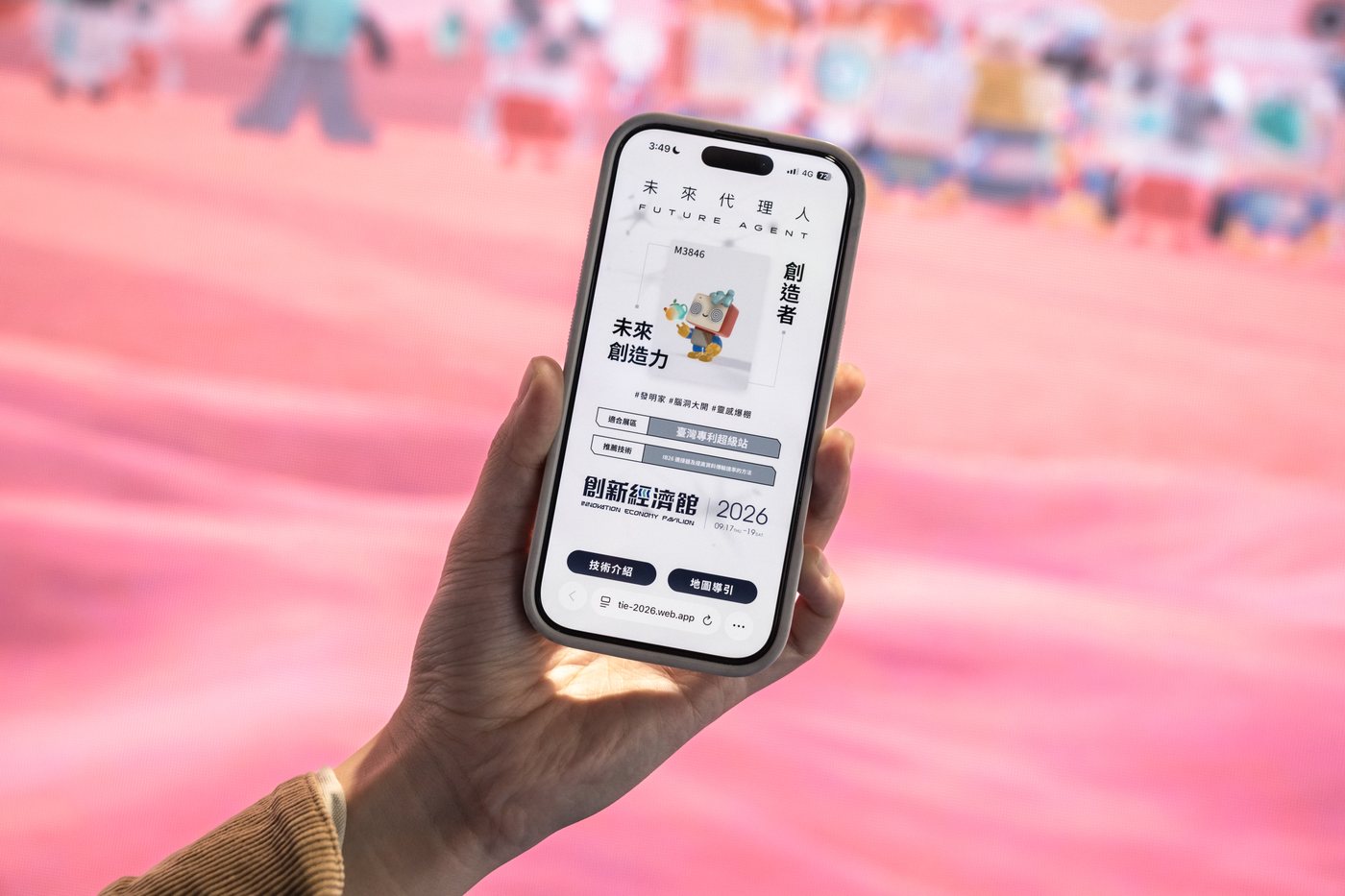
Future Agent asks each visitor to take a photo and answer two questions: what kind of agent they want, and which core ability it should have. A new agent is generated from the answers, carrying the visitor’s features, and walks out onto a shared LED world where every agent made so far lives. A card to download suggests which part of the expo to visit next.
Four kinds, two of each
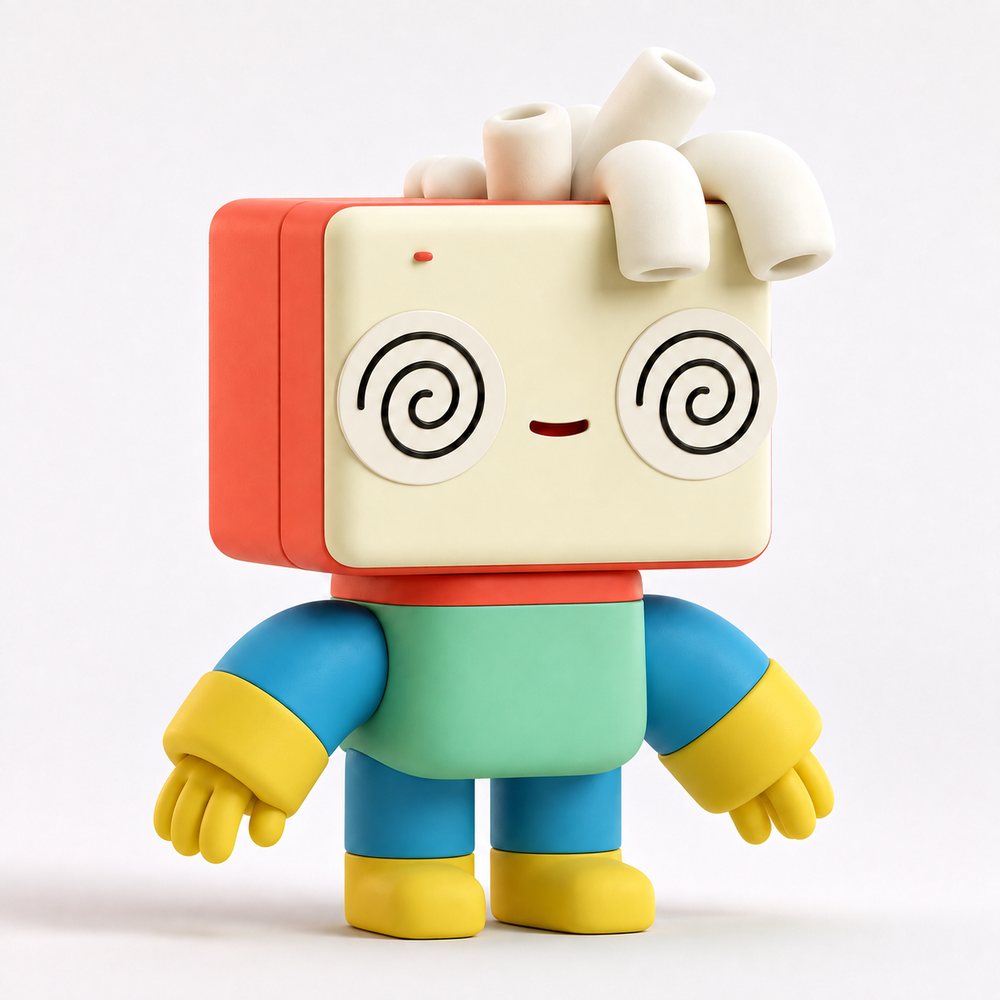
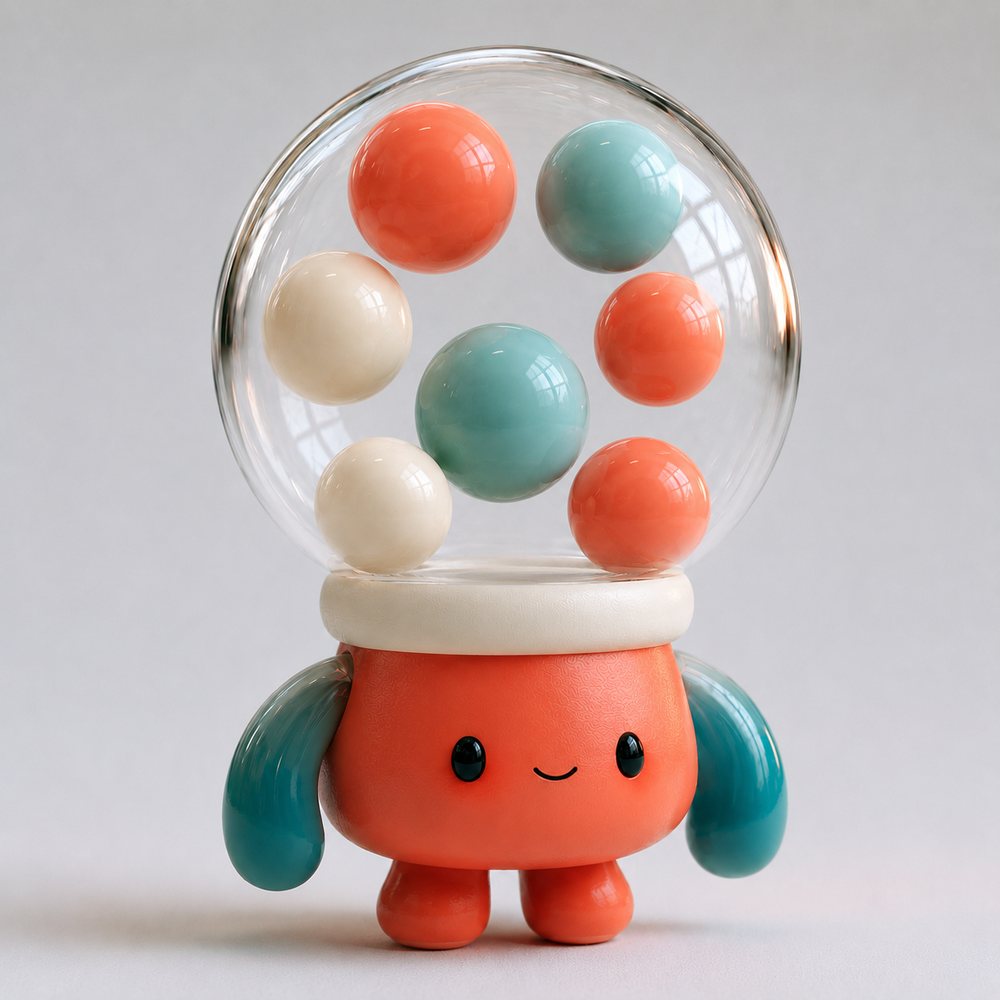
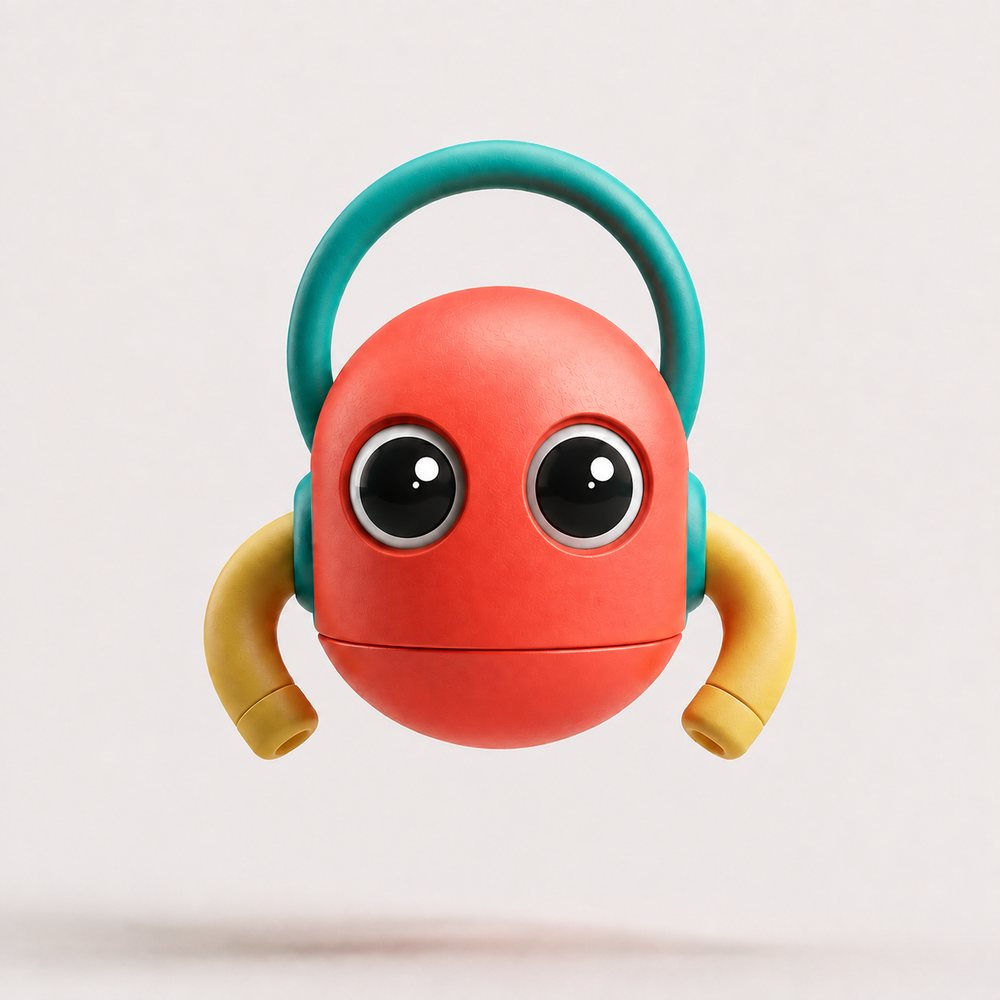
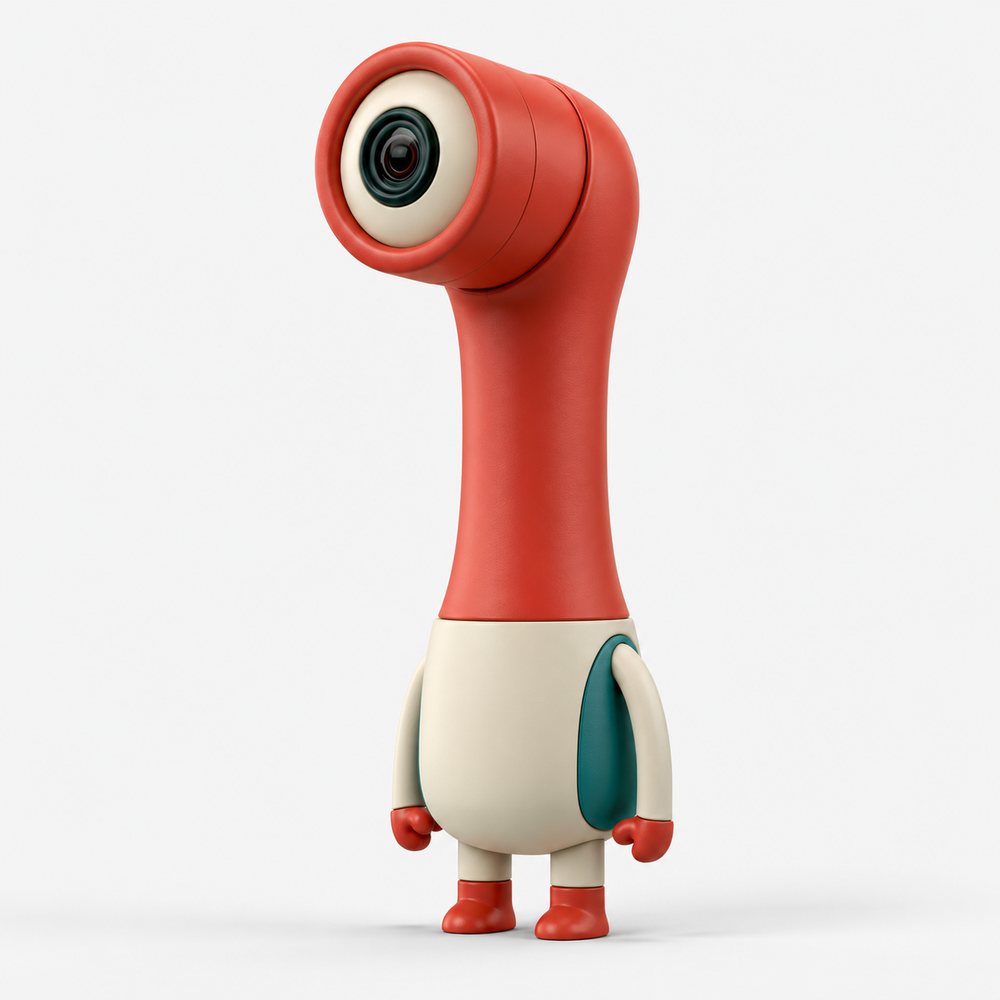
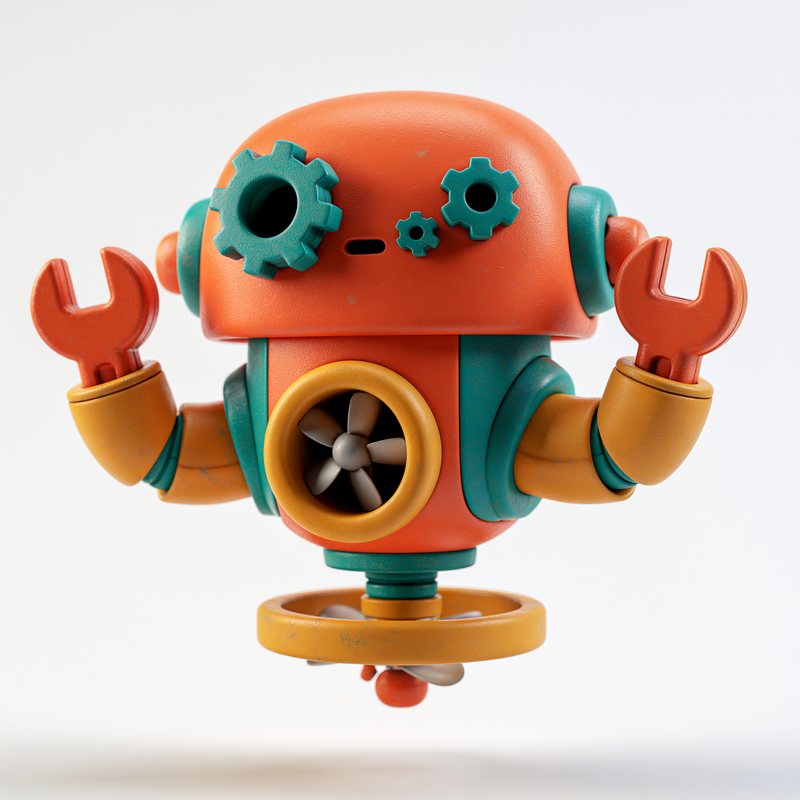
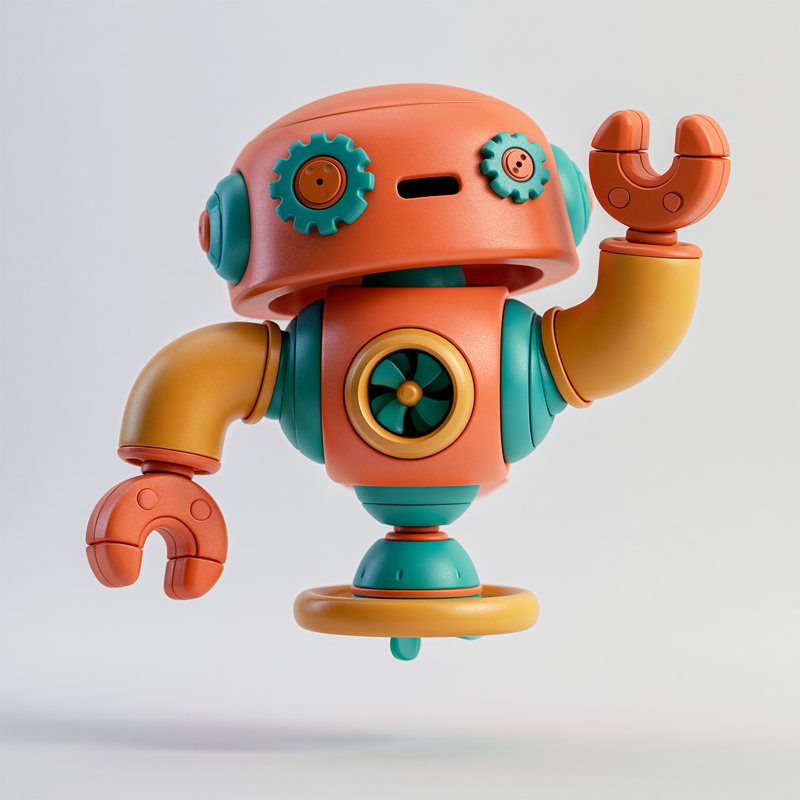
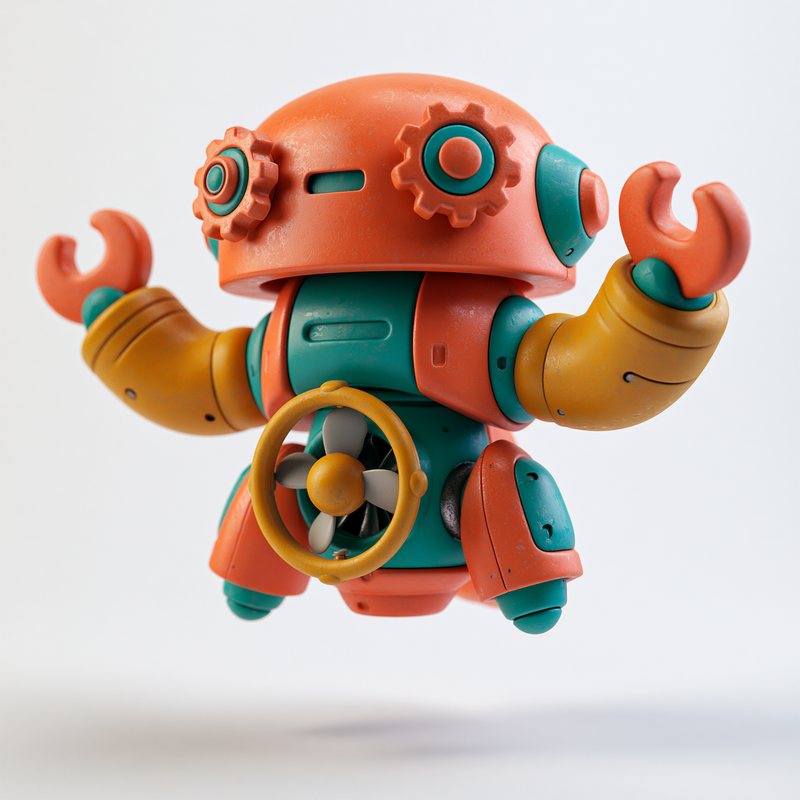
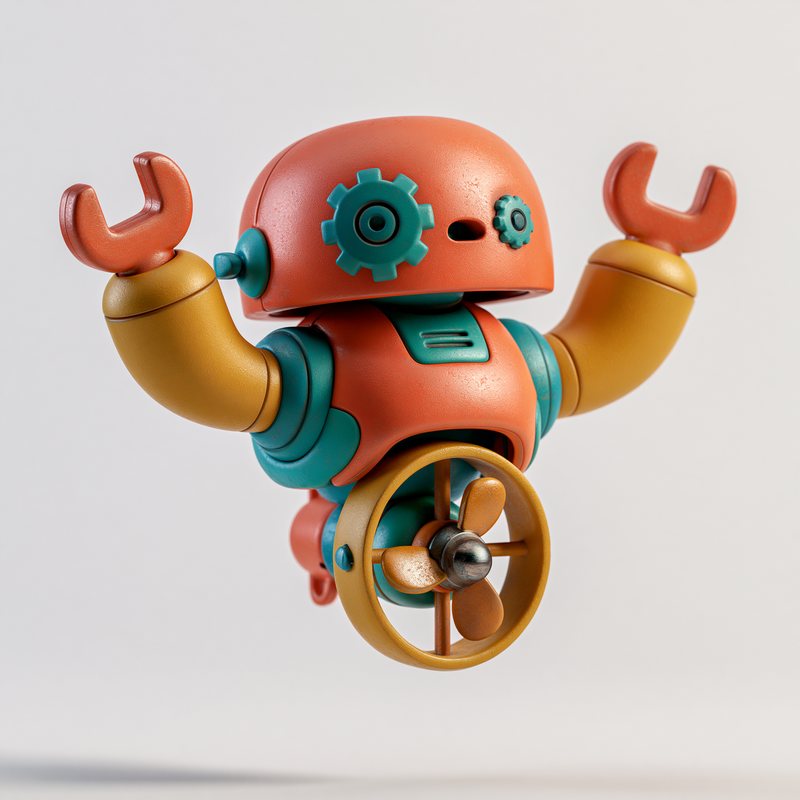
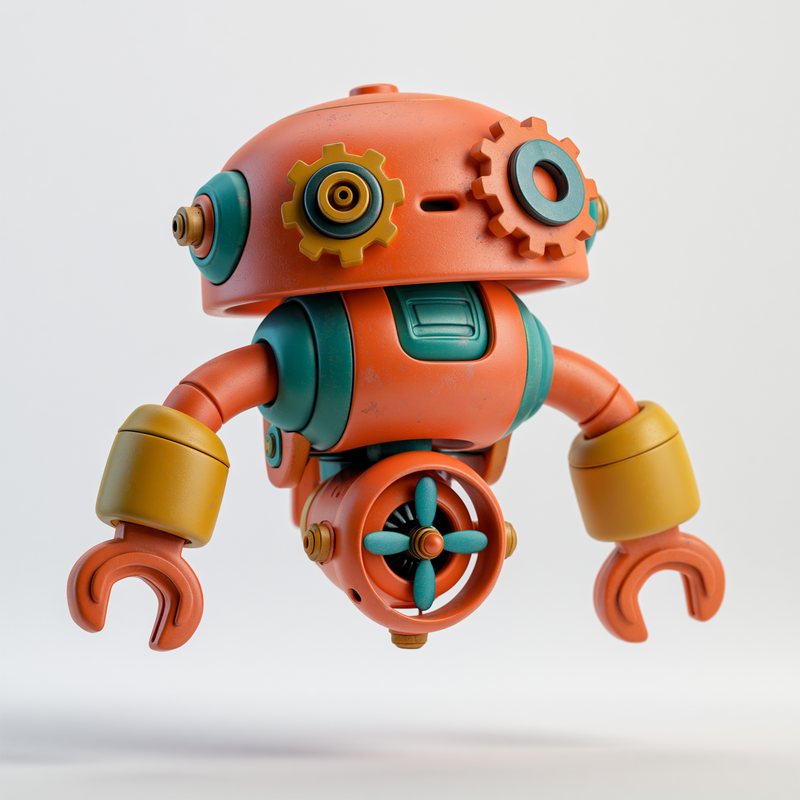
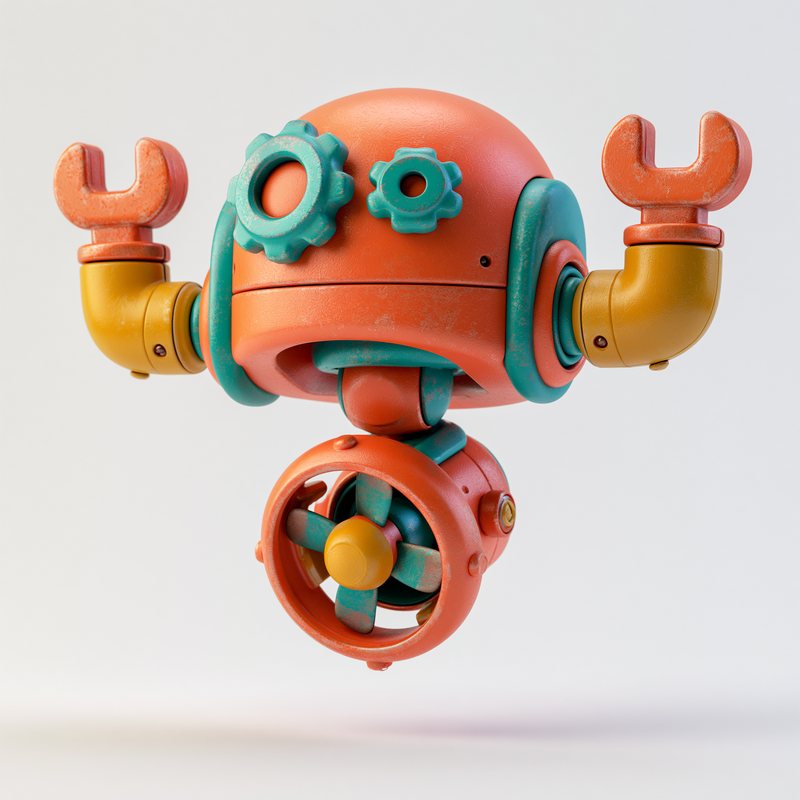
The first question sets the type, and each type has a design direction: Explorers float and reach out, Creators are built from blocks, Guardians are rounded and enclosed, Collaborators are made of nodes and links. Two of each makes eight agents.
I explored them through image generation, round after round, and kept a material language across all eight: soft toy plastic, bright primaries, a friendly face.
From a picture to a model
Each agent became a 3D model for the LED world. Once a design was settled, I modelled it myself and rebuilt the topology from scratch, then laid out the UVs.
The UVs matter more than usual here. Each agent keeps set areas of its surface free, so the AI can paint a visitor’s features into new textures and apply them to those areas. Pick an agent and drag to turn it.
One accessory for each ability
The second question picks a core ability, and each ability adds an accessory to the agent: a gear for productivity, a leaf for sustainability, DNA for life sciences, a chip for technology, a prism of light for creativity, and more.
A world without a city
The agents needed somewhere to live that would not compete with them, so the world has no buildings: just a soft landscape and landmarks to gather under. I made four directions for it: gentle hills, triangular landmarks, floating triangular platforms and smooth jelly hills.